
Beyond Babies: The Rising Childfree Trend
Choosing to live a life without children is becoming increasingly common, and it's no longer seen as an outlier. It’s a deliberate decision, often fueled by personal aspirations, career goals, or simply a different vision for the future. The numbers reflect this shift – while precise figures vary, a growing percentage of people are opting out of parenthood. Data from Pew Research Center indicates that about 20% of U.S. adults are childfree, and that number is projected to rise.
For a long time, societal norms pressured individuals to follow a specific life path: marriage, children, and a traditional career. Thankfully, those norms are loosening. Childlessness used to be met with questions and assumptions, but now, there's a growing acceptance and even celebration of alternative lifestyles. This isn't about being 'anti-child'; it’s about pro-choice and building a life that authentically reflects your values.
The reasons people choose a childfree life are diverse. Some prioritize career advancement, while others value freedom and flexibility. Many simply don’t feel the desire to raise children, and that’s perfectly valid. It’s a deeply personal decision, and it’s crucial to respect that without judgment. Understanding these motivations sets the stage for exploring the unique financial advantages that come with a childfree lifestyle.
This isn't just about avoiding the costs of raising children, though those are significant. It's about gaining the freedom to direct resources – time, energy, and money – towards other priorities. It’s about designing a life that aligns with your individual goals and values, and that often includes a different approach to financial planning.
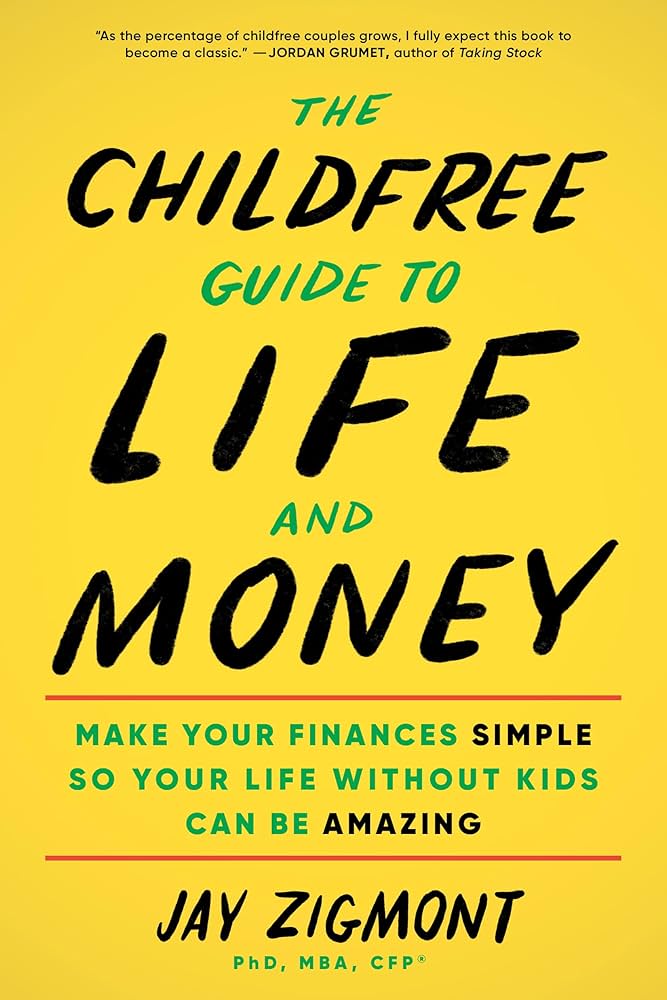
Five Financial Tasks, Redefined
The White Coat Investor proposes five core financial tasks: getting out of debt, saving, insuring, investing, and estate planning. These tasks apply to everyone, but the specifics change dramatically when you remove the financial demands of raising a family. Let's break down how a childfree lifestyle impacts each one.
Debt management is often the first step. Without the added expenses of childcare, education, and other family-related costs, childfree individuals can often tackle debt – like student loans or mortgages – more aggressively. This means potentially paying off debt sooner and freeing up cash flow for other goals. I’ve seen people shave years off their mortgage timelines simply by not having those extra expenses.
Saving becomes more streamlined. While everyone should have an emergency fund, childfree individuals might find it easier to build a larger one, providing a bigger safety net. The absence of future college funds or the need to save for family vacations allows for increased contributions to other savings goals, like a down payment on a house or early retirement.
Insurance needs are different. Life insurance, for example, is often purchased to protect dependents. Without children, the need for a large life insurance policy diminishes, and resources can be reallocated. Health insurance is still essential, but the focus shifts to individual needs rather than family coverage. Disability insurance remains important, regardless of family status, as it protects your income.
Investing benefits significantly. With fewer financial obligations, you can take on more risk and potentially achieve higher returns. Investing early and consistently is key, and the childfree lifestyle often allows for more aggressive investment strategies. And finally, estate planning, which we’ll cover in detail later, becomes a priority for ensuring your assets are distributed according to your wishes.
- Debt Management: Faster repayment, more cash flow.
- Saving: Larger emergency fund, accelerated progress towards goals.
- Insurance: Reduced need for life insurance, focus on individual health and disability.
- Investing: Increased risk tolerance, higher potential returns.
- Estate Planning: Crucial for directing assets without dependents.
Childfree Financial Planning: Investing vs. Raising a Child (Over 18+ Years)
| Category | Cost of Raising a Child | Potential Investment Outcomes (Childfree) | Considerations |
|---|---|---|---|
| Housing 🏡 | Generally requires larger space; potential for increased mortgage/rent. | Funds available for homeownership upgrades, downsizing, or alternative housing choices. | Child-related housing needs often persist beyond 18 years (college, returning home). |
| Food 🍎 | Significant ongoing expense; increases with child's age. | Funds available for higher quality food choices, dining experiences, or travel. | Food costs are relatively fixed regardless of investment strategy. |
| Healthcare 🩺 | Adds substantial medical, dental, and vision expenses. | Funds available for preventative care, elective procedures, or long-term care planning. | Healthcare costs are unpredictable and can be high for both scenarios. |
| Education 📚 | Major expense – including childcare, school tuition, supplies, and extracurricular activities. | Funds available for advanced degrees, professional development, or philanthropic giving. | Education investments can yield high returns, but are not guaranteed. |
| Travel & Leisure ✈️ | Often reduced or postponed due to time and financial constraints. | Greater freedom and resources for travel, hobbies, and personal enrichment. | Experiences can provide lasting value beyond monetary returns. |
| Financial Security 🛡️ | Can strain savings and delay retirement planning. | Accelerated saving and investment potential for earlier retirement or financial independence. | Early investment allows for the power of compounding over time. |
| Estate Planning 📝 | May require more complex planning to ensure child's future well-being. | Simpler estate planning options; greater flexibility in charitable giving. | Childfree individuals can direct their wealth according to their values and priorities. |
Qualitative comparison based on the article research brief. Confirm current product details in the official docs before making implementation choices.
Early Retirement: The Childfree Advantage
The potential for early retirement is perhaps the most significant financial advantage of a childfree lifestyle. While it's not a given, the ability to save and invest more aggressively makes it a realistic goal for many. The numbers can be pretty compelling. Consider that the average cost of raising a child to age 18 is around $300,000 (according to the USDA). That’s a substantial sum that can be redirected towards retirement savings.
Maximizing retirement contributions is crucial. Take full advantage of employer-sponsored plans like 401(k)s, especially if there's a company match. Contribute the maximum amount allowed each year. Simultaneously, consider contributing to a Roth IRA or traditional IRA, depending on your income and tax situation. The tax advantages of these accounts can significantly boost your retirement savings.
Explore different retirement account options. Beyond 401(k)s and IRAs, consider taxable brokerage accounts for additional investments. Diversification is key – spread your investments across different asset classes to mitigate risk. Don’t be afraid to seek professional financial advice to create a personalized retirement plan.
Let's be realistic: early retirement requires careful planning and discipline. It’s not about simply saving a lot of money; it's about creating a sustainable income stream that can support your lifestyle. Run scenarios using retirement calculators to estimate your expenses and determine how much you need to save. Websites like NewRetirement offer helpful calculators and planning tools.
The FIRE (Financial Independence, Retire Early) movement has gained traction in recent years, and many childfree individuals are embracing this philosophy. It's about optimizing your spending, maximizing your savings, and investing strategically to achieve financial independence sooner rather than later. It’s a challenging path, but one that’s increasingly attainable for those who prioritize it.
- 401(k): Maximize contributions, especially with employer matching.
- IRA (Roth or Traditional): Supplement 401(k) savings.
- Taxable Brokerage Account: Diversify investments beyond tax-advantaged accounts.
- Retirement Calculators: Estimate expenses and savings needs (NewRetirement is a good resource).
Estate Planning: Beyond Inheritance
Estate planning is often associated with parents wanting to provide for their children, but it’s even more important for childfree individuals and couples. Without children to automatically inherit your assets, you need to proactively decide who will receive them and how. This isn't about having a lot of money; it's about ensuring your wishes are honored and avoiding potential legal complications.
Essential documents include a will, which outlines how your assets will be distributed; a trust, which can provide more control over the distribution process; a durable power of attorney, which allows someone to manage your finances if you become incapacitated; and healthcare directives, which outline your medical wishes. These documents should be drafted by an attorney to ensure they’re legally sound.
Designating beneficiaries is a critical step. Consider who you want to inherit your assets – family members, friends, charities, or a combination. Clearly specifying beneficiaries in your will and other estate planning documents avoids ambiguity and potential disputes. You can also use a trust to create specific conditions for inheritance.
Charitable giving is a popular option for childfree individuals. If you don’t have children to leave your assets to, you might choose to donate them to a cause you care about. This can be done through a bequest in your will or by establishing a charitable trust. SmartAsset and dslawcolorado.com both highlight the importance of considering charitable giving in estate planning for those without children.
Regularly review and update your estate plan. Life circumstances change, and your wishes may evolve over time. It’s important to review your estate plan every few years, or whenever there’s a significant life event, such as a marriage, divorce, or change in financial situation.
- Will: Outlines asset distribution.
- Trust: Provides more control over asset distribution.
- Durable Power of Attorney: Allows financial management if incapacitated.
- Healthcare Directives: Outlines medical wishes.
- Beneficiary Designations: Clearly specify who receives your assets.
Financial Freedom & 'Play Money'
Let’s talk about the enjoyable part of financial planning: having the freedom to spend money on things you enjoy. Without the ongoing financial responsibilities of children, you have more disposable income – what many call "play money.’ This isn’t about frivolous spending; it"s about intentionally allocating resources towards experiences and passions that enrich your life.
Pursue your hobbies and interests. Whether it’s travel, art, music, or a new skill, now's the time to invest in the things that bring you joy. Take that cooking class, book that trip, or buy that instrument you’ve always wanted. Financial freedom allows you to prioritize your passions.
Invest in experiences. Material possessions can provide temporary satisfaction, but experiences often create lasting memories. Travel, concerts, workshops, and other experiences can broaden your horizons and enhance your quality of life. Don't underestimate the value of creating meaningful experiences.
Give back to your community. Financial freedom allows you to support causes you believe in. Volunteer your time, donate to charities, or mentor others. Giving back can be incredibly rewarding and fulfilling. It's a way to use your resources to make a positive impact on the world.
Ultimately, financial freedom isn’t just about accumulating wealth; it’s about having the freedom to live life on your own terms. It’s about designing a life that aligns with your values and brings you joy. It’s about having the resources to pursue your dreams and make the most of every moment.
Childfree Advantage: Your 2026 Financial Freedom Travel Toolkit

Spacious 40L capacity · Comfortable and adjustable harness system · Durable and bluesign® approved fabric
This backpack is perfect for spontaneous getaways and extended trips, allowing you to explore the world without the constraints of a family schedule.

World-class noise cancellation · Immersive Spatial Audio · Up to 24 hours of playtime
Escape the everyday hustle and immerse yourself in your favorite music or podcasts with these premium headphones, perfect for focused work or pure relaxation.

Collection of insightful essays · Explores themes of travel and time · Authored by a world-class observer
Indulge your wanderlust and expand your horizons with this captivating book, inspiring your next adventure or simply offering a rich intellectual escape.

Track and manage all subscriptions · Helps identify unused services · Ideal for budget planning
Take control of your spending and identify potential savings by meticulously tracking every subscription, freeing up more cash for your personal goals.

Guides on choosing savings accounts · Explains Certificates of Deposit (CDs) · Focuses on earning more on cash
Maximize your savings potential with this essential guide, ensuring your money works harder for you in 2026 and beyond.
As an Amazon Associate I earn from qualifying purchases. Prices may vary.
Navigating Couple Finances: A Different Dynamic
Childfree couples often have a unique financial dynamic compared to those with children. Without the shared financial goal of raising a family, it’s even more important to have open and honest communication about money. Aligning financial goals and making joint decisions is crucial for a healthy relationship.
Discuss your financial values and priorities. What’s important to each of you? What are your short-term and long-term goals? Understanding each other’s perspectives is the first step towards building a shared financial plan. Northern Trust emphasizes the importance of structured dialogue for childfree couples.
Explore different approaches to managing finances. Some couples prefer to maintain separate accounts, while others opt for joint accounts. A hybrid approach – a combination of separate and joint accounts – can also work well. The key is to find a system that works for both of you and promotes transparency.
Create a budget and track your spending. This helps you stay on track towards your financial goals and identify areas where you can save. Use budgeting apps or spreadsheets to monitor your income and expenses. Regularly review your budget and make adjustments as needed.
Regularly revisit your financial plan. Life changes, and your financial goals may evolve over time. It’s important to revisit your financial plan periodically to ensure it still aligns with your values and priorities. Open communication and collaboration are essential for navigating financial decisions as a couple.
How do you and your partner handle finances as a childfree couple?
We're curious how our childfree community navigates money matters with their partners! Whether you're splitting everything down the middle or pooling it all together, there's no wrong answer here. Vote below and let's see what's most popular! 💰
Future-Proofing: Unexpected Life Changes
Even without the financial responsibilities of children, life is unpredictable. Unexpected events like job loss, health issues, or the need to care for aging parents can disrupt your financial stability. It’s crucial to build resilience and prepare for these potential challenges.
Maintain a robust emergency fund. Aim to have 3-6 months of living expenses saved in a readily accessible account. This provides a financial cushion to cover unexpected expenses without derailing your long-term goals. This is a non-negotiable, regardless of your family status.
Ensure you have adequate health insurance. Healthcare costs can be significant, and it’s important to have comprehensive health insurance coverage. Consider supplemental insurance options, such as disability insurance and long-term care insurance, to protect against potential risks.
Plan for long-term care. As you age, you may need assistance with daily living activities. Long-term care insurance can help cover the costs of assisted living, nursing homes, or in-home care. Explore your options and consider purchasing a policy while you’re still relatively young and healthy.
Regularly review your financial plan and update it as needed. Life is constantly changing, and your financial plan should adapt accordingly. Seek professional financial advice to ensure you’re prepared for whatever the future holds. Building a solid financial foundation is the best way to navigate life’s uncertainties.


No comments yet. Be the first to share your thoughts!