
Beyond Diapers: The Financial Perks of Remaining Childfree
There's a constant hum in society telling us what we should do – get married, buy a house, have kids. It’s relentless. But what if you’ve actively chosen a different path, a life without children? It’s time we talked openly about the financial advantages that come with that decision. It’s not about judgment, it’s about acknowledging reality.
The cost of raising a child is astronomical, and it's only going up. AARP estimates the cost of raising one child to 18 now exceeds $300,000, and that doesn’t even include college. That’s a substantial sum of money that, for those of us choosing a childfree life, can be directed elsewhere – towards early retirement, travel, or simply financial security.
This isn’t about suggesting anyone feels guilty about their choices. We're here to empower those who have chosen a childfree life to intentionally leverage those financial benefits. To actively plan and build a future that aligns with their values and goals. This guide will walk you through exactly how to do that.
We’ll move beyond simply acknowledging the savings and dig into practical strategies for maximizing your financial potential. Let’s be clear: choosing a childfree life is a valid decision, and it opens up a world of financial possibilities that deserve exploration.
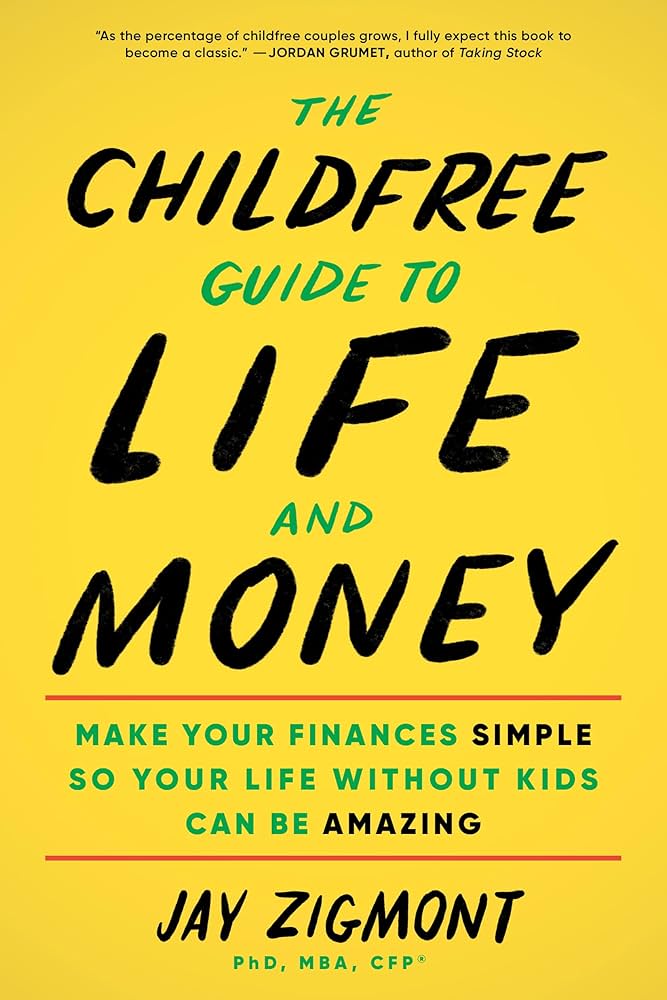
Calculating Your 'Kid-Shaped Hole' Savings
Let's get real about the numbers. While $300,000 is a good starting point, the actual cost of raising a child varies dramatically based on location, lifestyle, and personal choices. The USDA provides detailed estimates, but those are averages. Brookings Institute research shows significant regional disparities, with costs being significantly higher in urban areas.
Think about it: housing needs change, food bills increase, healthcare costs pile up, and then there’s education, childcare, activities… the list goes on. It's easy to underestimate the cumulative effect of these expenses. To truly understand the potential savings, we need to calculate your personal 'kid-shaped hole' – the amount you would have spent had you chosen parenthood.
Start by estimating annual expenses for each category: housing (larger home or more space), food (increased grocery bills), healthcare (doctor visits, potential emergencies), childcare (if applicable), education (private school, tutoring), and activities (sports, lessons, entertainment). Be honest with yourself. Then, project those expenses over 18 years, factoring in inflation. A conservative inflation rate of 3% is a reasonable starting point.
This isn’t about dwelling on what could have been; it’s about clarifying your financial goals. Seeing that number – your potential "kid-shaped hole" savings – can be incredibly motivating. It provides a concrete target for your investment strategy and allows you to visualize the possibilities.
- Housing: Estimate the cost of a larger home or additional space.
- Food: Factor in increased grocery bills.
- Healthcare: Account for additional doctor visits and potential emergencies.
- Childcare: If applicable, estimate the cost of daycare or a nanny.
- Education: Consider private school tuition or tutoring expenses.
- Activities: Budget for sports, lessons, and entertainment.
Investing for Early Retirement: The Childfree Advantage
Now for the exciting part: what do you do with all that extra cash? The power of compound interest is your greatest ally. Starting to invest early – and consistently – can dramatically accelerate your retirement planning. The earlier you start, the less you need to contribute to reach your goals.
Explore your investment options. 401(k)s offer tax-advantaged savings through your employer, and IRAs (Traditional and Roth) provide individual investment accounts with similar benefits. Brokerage accounts offer more flexibility but typically don’t have the same tax advantages. Consider a mix of these accounts to maximize your savings and minimize your tax burden.
As a childfree individual, you likely have a longer time horizon and fewer short-term financial obligations. This allows you to take on more risk – potentially investing a larger portion of your portfolio in stocks, which historically offer higher returns than bonds. However, diversification is key. Don’t put all your eggs in one basket.
Avoid "lifestyle creep’ – the tendency to increase your spending as your income rises. It"s tempting to upgrade your car, take more lavish vacations, or buy a bigger house, but resist the urge. Instead, direct those extra funds towards your investments. Remember that early retirement is within reach, but it requires discipline and intentionality.
The White Coat Investor website has excellent resources on financial planning, specifically addressing the benefits of being childfree. They advocate for aggressive saving and investing to achieve financial independence.
Estate Planning When There Are No Defaults
Estate planning is often associated with families and children, but it’s especially important for childfree individuals. Without automatic heirs, you need to proactively plan for the distribution of your assets and ensure your wishes are carried out. Failing to do so can lead to legal complications and unintended consequences.
This includes creating a will, which specifies how your assets will be distributed after your death. A trust can provide more control and flexibility, particularly if you have complex financial arrangements or wish to support specific charities. You also need a power of attorney, which designates someone to make financial decisions on your behalf if you become incapacitated, and healthcare directives, outlining your medical preferences.
Designating beneficiaries is crucial. Consider friends, family members, or charitable organizations. Don’t forget about pet guardianship – ensuring your beloved animals are cared for if something happens to you. Bragg Financial offers detailed guidance on estate planning for childfree adults, emphasizing the importance of proactive planning.
It's not a pleasant topic, but it's a necessary one. A well-crafted estate plan provides peace of mind, knowing that your assets will be distributed according to your wishes and that your loved ones (and pets) will be taken care of.
Travel as Investment: Experiences Over Things
One of the greatest benefits of a childfree life is the freedom to prioritize experiences over material possessions. Travel, in particular, can be a powerful investment in your well-being and personal growth. It broadens your perspective, creates lasting memories, and enriches your life in ways that material goods simply can’t.
Travel doesn’t have to be expensive. Travel hacking – leveraging credit card rewards and loyalty programs – can significantly reduce your travel costs. Consider travel credit cards that offer points or miles for every dollar spent, and take advantage of airline and hotel loyalty programs.
There’s a travel style for every budget and preference. Whether you’re a budget backpacker exploring Southeast Asia or a luxury traveler indulging in five-star resorts, the key is to align your travel choices with your financial goals. Prioritize experiences that are meaningful to you and that align with your values.
Don't view travel as frivolous spending. Think of it as an investment in yourself, your personal growth, and your overall happiness. The memories and experiences you gain will last a lifetime.
Financial Freedom & Philanthropy
Many childfree individuals feel a strong desire to give back to the world. Having achieved financial freedom, you're in a unique position to make a positive impact on causes you care about. Philanthropy isn’t just about writing a check; it’s about aligning your resources with your values.
There are several ways to approach charitable giving. You can make direct donations to organizations, establish a donor-advised fund (DAF) for more tax-efficient giving, or include charitable bequests in your estate plan. A DAF allows you to receive an immediate tax deduction while distributing the funds over time.
Consider supporting organizations that align with the values of the childfree community, such as those advocating for reproductive rights, environmental protection, or animal welfare. Research charities carefully to ensure your donations are used effectively.
Financial freedom isn’t just about accumulating wealth; it’s about using your resources to create a better world. It’s about living a life of purpose and making a meaningful contribution to society.
Content is being updated. Check back soon.
Navigating Healthcare Costs Without Dependents
Healthcare is a significant expense, and it looks different when you don’t have children to consider. Understanding your health insurance options and strategies for minimizing costs is crucial. The Affordable Care Act (ACA) marketplace offers plans for individuals and families, while employer-sponsored plans are often available through your job.
Health Savings Accounts (HSAs) are a powerful tool for saving on healthcare expenses. HSAs allow you to contribute pre-tax dollars to an account that can be used to pay for qualified medical expenses. The funds grow tax-free, and withdrawals are tax-free as long as they’re used for eligible healthcare costs. Flexible Spending Accounts (FSAs) offer similar benefits but typically have stricter rules and shorter contribution deadlines.
Don’t overlook the importance of long-term care insurance. As you age, you may need assistance with activities of daily living, and long-term care can be incredibly expensive. Planning for potential healthcare needs in retirement is essential for maintaining your financial security.
Prioritizing preventative care is also key. Regular checkups and screenings can help detect health problems early, when they’re more treatable and less costly.
Community Wisdom: Childfree Financial Wins
The Childfree Bestie community is full of inspiring stories of individuals who have successfully achieved their financial goals. These stories demonstrate the diversity of paths to financial freedom and offer valuable lessons for others.
One member, Sarah, shared how she used her "kid-shaped hole" savings to pay off her mortgage early and retire in her early 50s. Another, Mark, used his financial freedom to launch his own business, pursuing his passion for photography. Lisa, a recent retiree, spoke about the joy of traveling the world without financial constraints.
These are just a few examples of the many success stories within our community. They demonstrate that with careful planning, discipline, and a clear vision, anything is possible. The common thread is intentionality – consciously directing resources towards goals that align with their values.
We encourage you to share your own financial wins with the Childfree Bestie community. Let’s inspire each other and build a supportive network of financially empowered childfree individuals. Keep an eye on our social media channels for opportunities to share your story.
Financial Wins & Wisdom
- Prioritize Investing Early - One childfree friend shared on X (formerly Twitter) how starting to invest in their 20s, even small amounts through a Fidelity Roth IRA, compounded significantly over time. They now feel incredibly secure.
- Embrace Travel as Investment in Yourself - A childfree individual tweeted about using travel rewards credit cards like the Chase Sapphire Preferred to fund amazing experiences *and* earn points for future travel. They view it as investing in their well-being, not just spending.
- Automate Savings with Ally - Another X user highlighted how setting up automatic transfers to a high-yield savings account at Ally Bank has made saving effortless. They emphasized the power of ‘set it and forget it’.
- Side Hustles Fuel Financial Freedom - A tweet discussed using platforms like Upwork to offer freelance services, allowing for extra income to accelerate debt payoff or boost investments. They noted the flexibility is a huge benefit.
- Real Estate as a Wealth Builder - One person shared their success purchasing a rental property, leveraging a conventional mortgage from a bank like Wells Fargo, and generating passive income. They stressed the importance of careful research.
- Budgeting with YNAB (You Need a Budget) - A user raved about using YNAB to gain control of their finances. They found the four rules (Give Every Dollar a Job, Embrace Your True Expenses, Roll With The Punches, Age Your Money) transformative.
- Maximize Employer 401(k) Match - Someone on X reminded everyone to contribute enough to their 401(k) to get the full employer match – it's essentially free money! They used Vanguard as their 401k provider.


No comments yet. Be the first to share your thoughts!