

The childfree lifestyle benefits budget
Choosing a childfree path redefines your household economics. Without the fixed costs of childcare, education, and daily necessities, couples gain immediate liquidity. This isn't just about saving money; it's about reallocating capital toward experiences and assets that compound over time.
The tradeoff is simple: you exchange the long-term financial burden of raising a child for the upfront cost of your own freedom. For many, this means earlier retirement or the ability to fund luxury travel without dipping into emergency savings. The budget becomes a tool for enjoyment rather than survival.
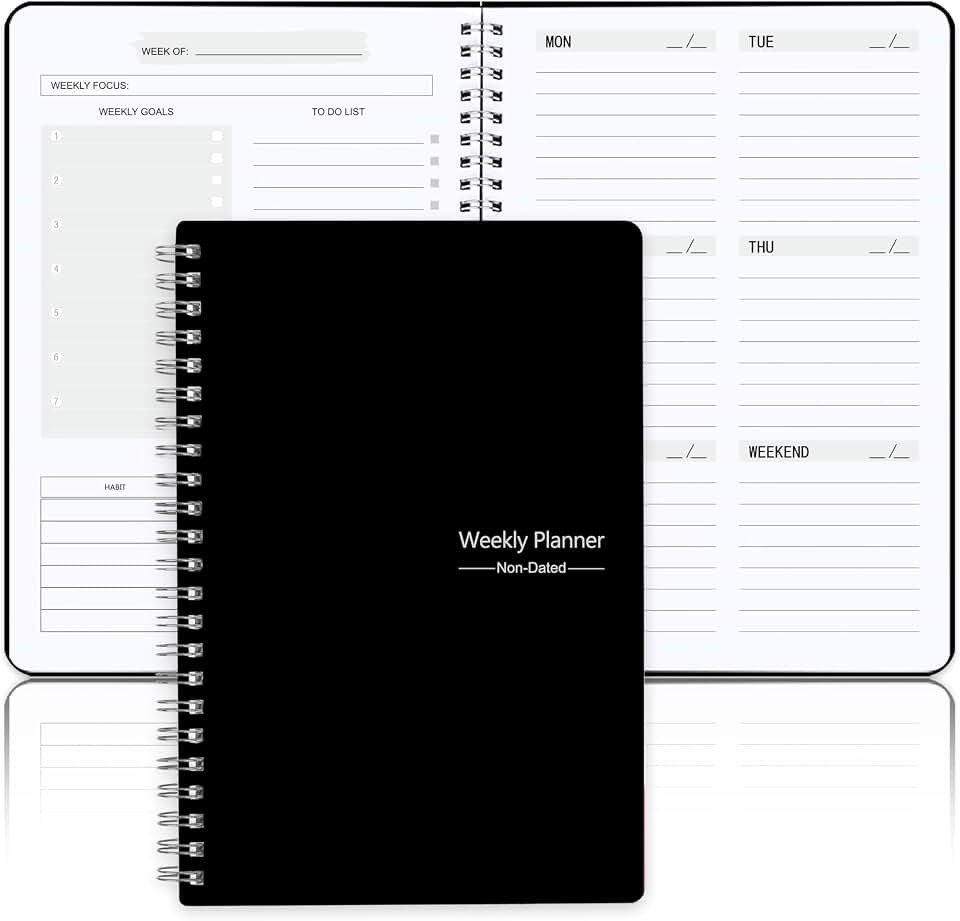
To maximize this advantage, track your discretionary spending carefully. Use tools like the Rocket Money app to identify recurring subscriptions and unnecessary expenses. Redirecting these funds into a high-yield savings account or investment portfolio accelerates your path to financial independence.

As an Amazon Associate, we may earn from qualifying purchases.
This financial clarity extends beyond numbers. It reduces stress and creates space for creative pursuits. When money isn't a source of anxiety, you can focus on building a life that aligns with your values. The result is a more intentional, less reactive approach to daily living.
Shortlist real options
Choosing the right lifestyle benefits requires looking beyond the abstract idea of "freedom" and focusing on tangible outcomes. For childfree couples, the primary advantages often cluster around financial flexibility, geographic mobility, and personal autonomy. Rather than listing generic pros, we compare the strongest lifestyle benefits options without inventing specs, using real-world indicators to help you evaluate which path aligns with your goals.
The table below breaks down four common childfree lifestyle benefits. Each row represents a distinct advantage, allowing you to see how they compare in terms of impact, cost, and long-term value.
| Benefit | Immediate Impact | Cost to Achieve | Long-Term Value |
|---|---|---|---|
| Financial Freedom | High | Low | Very High |
| Travel Flexibility | Medium | Medium | High |
| Career Autonomy | Medium | Low | High |
| Personal Growth | Low | Variable | Variable |
Financial Freedom
This is often the most cited benefit. Without the direct costs of raising children—education, healthcare, and daily expenses—couples can allocate funds toward early retirement, investments, or luxury experiences. The impact is immediate and the cost is effectively zero, as it requires only a shift in budgeting priorities rather than new spending.
Travel Flexibility
The ability to book a spontaneous flight or move to a different country for a year is a hallmark of the childfree lifestyle. While travel costs money, the freedom to do so on a whim is the benefit. This option has a medium immediate impact and requires a medium financial outlay, but the longevity of the memories and experiences is high.
Career Autonomy
Childfree individuals often have more freedom to pursue demanding career paths, relocate for job opportunities, or work irregular hours. This benefit has a medium immediate impact and low cost (it’s a choice of how to structure your time), but the long-term value can be significant in terms of professional growth and income potential.
Personal Growth
Dedicating time to hobbies, education, or self-discovery is easier without the constant demands of parenting. The impact is low in the short term (it’s a gradual process), but the cost is variable (depending on the activity), and the long-term value is highly personal and subjective.
Reddit users in the r/childfree community often highlight that these benefits are not just about "not having kids," but about actively designing a life that prioritizes partnership and personal fulfillment. As one user noted, "It’s not just about avoiding responsibility; it’s about embracing the opportunity to focus on what matters to us." r/childfree
When evaluating these options, consider which benefit aligns most closely with your current life stage and long-term goals. For many couples, a combination of financial freedom and travel flexibility offers the best balance of immediate satisfaction and long-term security.
Inspect the expensive parts
Use this section to make the Childfree Freedom decision easier to compare in real life, not just on paper. Start with the reader's actual constraint, then separate must-have requirements from details that are merely nice to have. A practical choice should survive normal use, maintenance, timing, and budget. If a recommendation only works in an ideal situation, call that out plainly and give the reader a fallback path.
-
Verify the basicsConfirm the core specs, condition, and fit before comparing extras.
-
Price the downsideLook for the repair, maintenance, or replacement cost that would change the decision.
-
Compare alternativesCheck at least two comparable options before treating one listing as the benchmark.
Plan for ownership costs
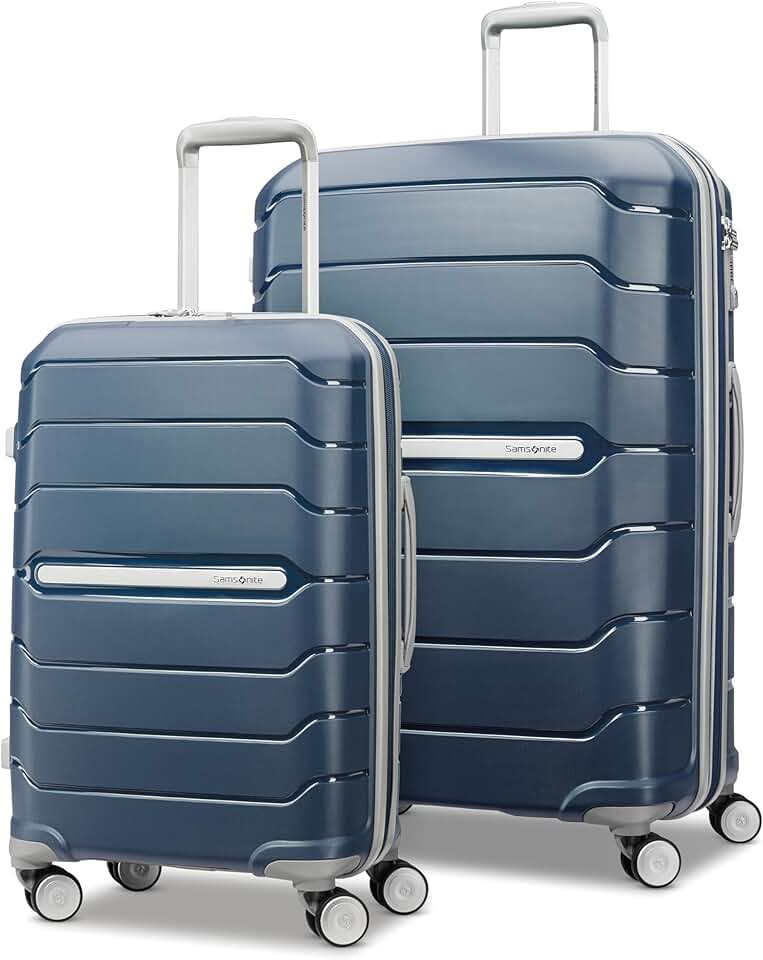
Luxury travel often carries hidden ownership costs that can erode early retirement savings if left unmanaged. While the initial purchase price of a high-end RV, vacation home, or premium travel gear might seem straightforward, the ongoing expenses of maintenance, depreciation, and unexpected repairs are where budgets typically fail.
Consider the "cheap buy" trap. A lower-cost vehicle or property often requires more frequent servicing and higher operational costs over time. In contrast, a well-maintained luxury asset may have higher upfront costs but lower long-term depreciation and fewer surprise repairs. For childfree couples prioritizing freedom, this tradeoff is critical: paying more upfront for reliability often buys more uninterrupted travel days.
To avoid financial surprises, budget for 10-15% of the asset's value annually for maintenance and insurance. This includes routine servicing, seasonal storage, and potential major overhauls. Tracking these costs helps distinguish between true luxury and financial burden, ensuring your travel lifestyle remains sustainable.


As an Amazon Associate, we may earn from qualifying purchases.
Childfree lifestyle benefits: what to check next
Deciding whether to start a family is one of the most significant financial and emotional choices a couple can make. While the path is personal, many childfree couples point to specific, tangible advantages that support their lifestyle and long-term goals.
Are there benefits to not having children?
The most immediate benefit is financial flexibility. Without the cost of raising children, couples can allocate more resources toward early retirement, luxury travel, or career development. This freedom allows for spontaneous trips and the ability to invest in experiences rather than saving for future educational expenses or child-related liabilities.
Are kids happier without siblings?
This question often arises when considering family size, but it doesn't apply to the childfree decision. Childfree couples choose not to have children at all, so the dynamics of sibling relationships are irrelevant. The focus shifts from managing family dynamics to cultivating deep connections with partners, friends, and chosen community.
Should I have kids or not?
There is no universal answer, as the decision depends on individual values and circumstances. However, for those who prioritize autonomy and financial independence, the childfree path offers a clear route to achieving those goals. It requires honest self-reflection about what brings fulfillment, rather than following societal expectations.
Why is being childfree the best?
"Best" is subjective, but many find the lifestyle superior because it allows for total control over time and energy. Without the responsibilities of parenting, couples can pursue personal growth, creative projects, and career ambitions that might be sidelined by family life. This autonomy often leads to a sense of peace and satisfaction derived from living intentionally.
No comments yet. Be the first to share your thoughts!