

Early retirement strategies childfree budget
The Childfree Advantage works best when the purchase path is explicit. Verify the source, compare the offer against real alternatives, check the total cost, and confirm what happens after payment before you decide. After each comparison, write down the one risk that would change your mind. If the seller, condition, support, warranty, shipping, or upkeep still feels uncertain, resolve that question before moving to checkout.
The simplest way to use this section is to verify the seller, compare the total cost, and resolve the biggest risk before you commit.
Shortlist real options
Use this section to make the The Childfree Advantage decision easier to compare in real life, not just on paper. Start with the reader's actual constraint, then separate must-have requirements from details that are merely nice to have. A practical choice should survive normal use, maintenance, timing, and budget. If a recommendation only works in an ideal situation, call that out plainly and give the reader a fallback path.
| Factor | What to check | Why it matters |
|---|---|---|
| Fit | Match the option to the primary use case. | A good deal still fails if it does not fit the job. |
| Condition | Verify age, wear, and service history. | Hidden condition issues erase upfront savings. |
| Cost | Compare purchase price with likely upkeep. | The cheapest option is not always the lowest-cost option. |
Inspect the expensive parts
Use this section to make the The Childfree Advantage decision easier to compare in real life, not just on paper. Start with the reader's actual constraint, then separate must-have requirements from details that are merely nice to have. A practical choice should survive normal use, maintenance, timing, and budget. If a recommendation only works in an ideal situation, call that out plainly and give the reader a fallback path.
-
Verify the basicsConfirm the core specs, condition, and fit before comparing extras.
-
Price the downsideLook for the repair, maintenance, or replacement cost that would change the decision.
-
Compare alternativesCheck at least two comparable options before treating one listing as the benchmark.
Ownership Costs: When a Cheap Buy Stops Being Cheap
Buying a car, boat, or vacation property is rarely a one-time transaction. The purchase price is just the entry fee; the real cost is the ongoing maintenance, insurance, and depreciation that follows. For couples aiming for early retirement, these recurring expenses can silently erode the "freedom" budget if they aren't tracked and planned for.
A common mistake is underestimating the "1% rule" for vehicles or the 2-4% rule for real estate. A $30,000 car might seem affordable, but with insurance, fuel, registration, and unexpected repairs, it can easily cost $4,000–$6,000 annually to keep on the road. Similarly, a $500,000 vacation home isn't just a $500,000 asset—it's a $10,000–$20,000 annual liability for taxes, insurance, HOA fees, and upkeep. If your retirement plan assumes you'll "just use" these assets without budgeting for their upkeep, you're risking a cash flow crisis.
The key is to treat ownership costs as non-negotiable fixed expenses. Before you buy, calculate the total cost of ownership (TCO) over five years, not just the monthly payment. If the TCO pushes you over your target retirement number, the asset isn't an advantage—it's a liability. For many childfree couples, the "advantage" comes from avoiding these large, depreciating assets altogether, or choosing high-quality, low-maintenance alternatives that hold value better.


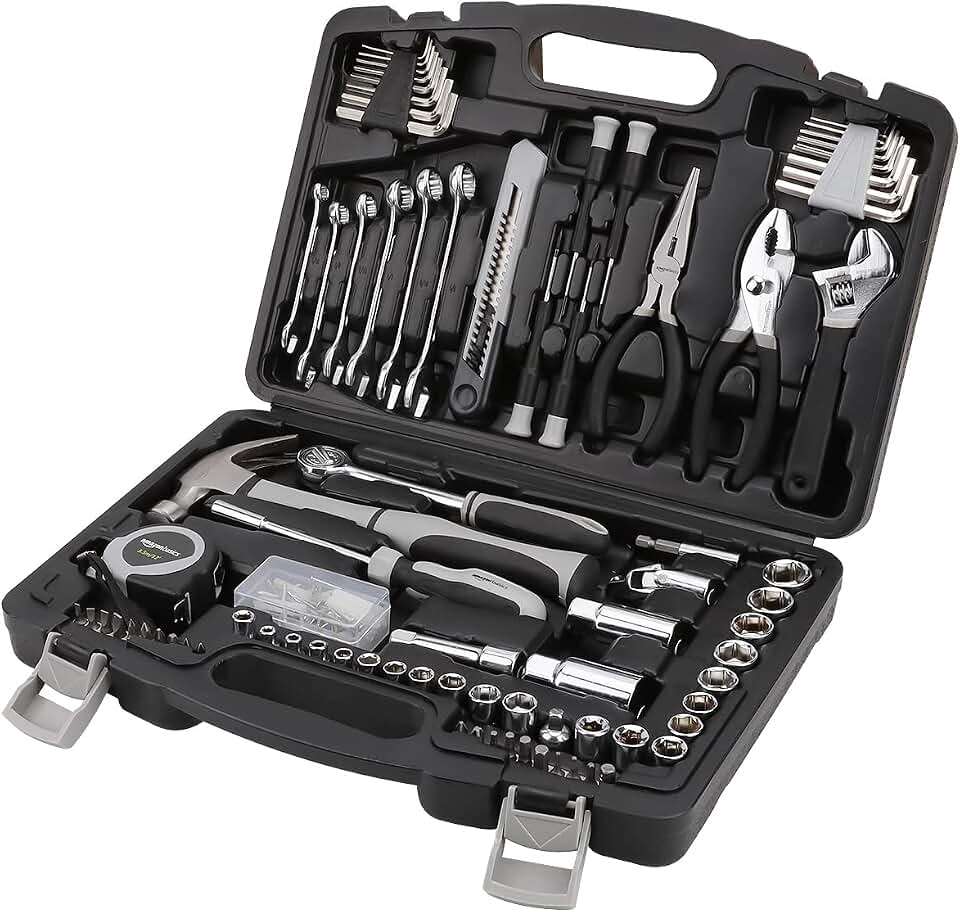
As an Amazon Associate, we may earn from qualifying purchases.
Don't let the lure of a "cheap" purchase blind you to the long-term costs. A slightly more expensive item that lasts longer and requires less maintenance is often the smarter financial move for early retirees. Focus on assets that appreciate or generate income, rather than those that drain your savings through constant upkeep.
No comments yet. Be the first to share your thoughts!