
Beyond Diapers: The Childfree Financial Advantage
It’s almost automatic, isn’t it? When someone mentions "financial planning,’ most of us immediately picture college funds, birthday parties, and the sheer expense of raising a human. We’re bombarded with messaging about the costs of parenthood, and it’s easy to assume that’s just… how it is. But what if that wasn’t your path? What if you"re intentionally building a life without kids?
For those of us choosing a childfree life, the financial landscape looks dramatically different. It’s not about avoiding costs, it’s about redirecting them. It's about recognizing the freedom that comes with not having to budget for diapers, daycare, or a down payment on a larger house to accommodate a growing family. When I first really sat down and calculated the potential savings, it felt… liberating.
The core difference is simple: with no children, you have more disposable income and a longer time horizon to invest. That extra capital can be channeled into experiences, early retirement, or building wealth in ways that might not be possible when juggling the demands of parenthood. The potential for accelerated wealth building is significant, and it’s something we should actively explore.
This isn’t about judging lifestyle choices; it’s about acknowledging financial realities. It’s about recognizing that choosing a childfree life is a financial decision, and one that deserves to be proactively planned for. Let’s dive into how to make the most of that freedom.
The Numbers Game: Quantifying the 'Kid Cost'
Okay, let's talk money. It's easy to say 'kids are expensive,' but let's get specific. The USDA estimates the cost of raising a child to age 18 in the US to be around $300,000 – and that was in 2015! Factoring in inflation, and projecting to 2026, that number is likely closer to $375,000 - $450,000, depending on where you live and your lifestyle.
That figure includes everything: housing (often a larger home is needed), healthcare (doctor visits, potential emergencies), food (a growing appetite is a hungry one!), education (from preschool to extracurriculars), and childcare (which can easily be the single largest expense). But it doesn’t account for the "opportunity cost" – the potential income lost by a parent taking time off work or reducing their hours to care for a child. This is a huge factor often overlooked.
Let’s break it down further. Housing costs for a family with children are, on average, 29% higher than for childless couples, according to data from the Consumer Expenditure Survey. Healthcare expenses average around $4,500 per year per child. And childcare? In many major cities, full-time infant care can easily exceed $20,000 annually. These aren't abstract numbers—these are real expenses impacting families daily.
It's important to remember this isn’t about shaming anyone for having children. It's about honestly assessing the financial commitment and understanding where that money goes. Knowing these costs allows us to see the potential financial benefits of choosing a different path. The White Coat Investor highlights this clearly in their resources for childfree individuals.
- Housing: 29% higher for families with children
- Healthcare: ~$4,500 per year per child
- Childcare (Infant): >$20,000 annually in major cities
Potential Financial Advantages: Childfree vs. Parenting (Estimated)
| Expense Category | Childfree Lifestyle | Parenting (with a Child to Age 18) | Considerations |
|---|---|---|---|
| Housing 🏡 | More flexibility in location & size; potentially lower costs. | Often requires larger home/apartment; potential relocation for schools. | Housing needs are a major driver of family expenses. |
| Food 🍎 | Discretionary spending on personal food preferences. | Significant increase in grocery bills; specialized diets/needs. | Food costs scale with the child's age and appetite. |
| Healthcare 🩺 | Focus on individual preventative care & wellness. | Adds substantial healthcare costs: doctor visits, immunizations, potential emergencies. | Healthcare is often unpredictable and can be a large expense. |
| Childcare/Education 📚 | Funds available for personal development, travel, or investments. | Significant ongoing expense: daycare, preschool, school supplies, activities, potential college savings. | Education costs are continually rising. |
| Transportation 🚗 | Vehicle choice based on personal needs & preferences. | May require larger vehicle; increased fuel/maintenance costs for school/activities. | Transportation needs change as children grow. |
| Leisure/Entertainment 🎉 | Greater financial freedom for hobbies, travel, and experiences. | Entertainment budget often shifts to family-focused activities. | Priorities shift, and 'fun money' may be allocated differently. |
| Long-Term Savings 💰 | Potential for accelerated savings & investment growth. | Savings goals may be adjusted to include child-related expenses. | Early and consistent saving is crucial for both paths. |
Qualitative comparison based on the article research brief. Confirm current product details in the official docs before making implementation choices.
Investing Strategies: Where That Money Can Go
Now for the exciting part: what do you do with that extra money? Redirecting funds that would have gone towards childcare opens up a world of investment possibilities. The key is to align your investment strategy with your risk tolerance, time horizon, and financial goals. Don't just throw money at anything – do your research.
Traditional stocks and bonds remain a solid foundation for most portfolios. Consider low-cost index funds and ETFs to diversify your holdings and minimize fees. Real estate can also be a smart investment, whether it’s purchasing a rental property or investing in a REIT (Real Estate Investment Trust). But remember, real estate isn’t always passive income – it requires work and management.
Beyond the basics, explore alternative investments like peer-to-peer lending, crowdfunding, or even investing in art or collectibles. These can offer higher potential returns, but also come with increased risk. It’s crucial to understand the risks involved before allocating a significant portion of your portfolio to alternative investments.
I’m a big fan of the resources available on White Coat Investor. They offer excellent guidance on building a diversified portfolio and maximizing your investment returns. They emphasize the importance of a long-term perspective and avoiding emotional investing. Remember, consistent investing, even small amounts, can make a huge difference over time. Consider using a robo-advisor if you're unsure where to start – they can automate the process and provide personalized recommendations.
Early Retirement: A Realistic Goal?
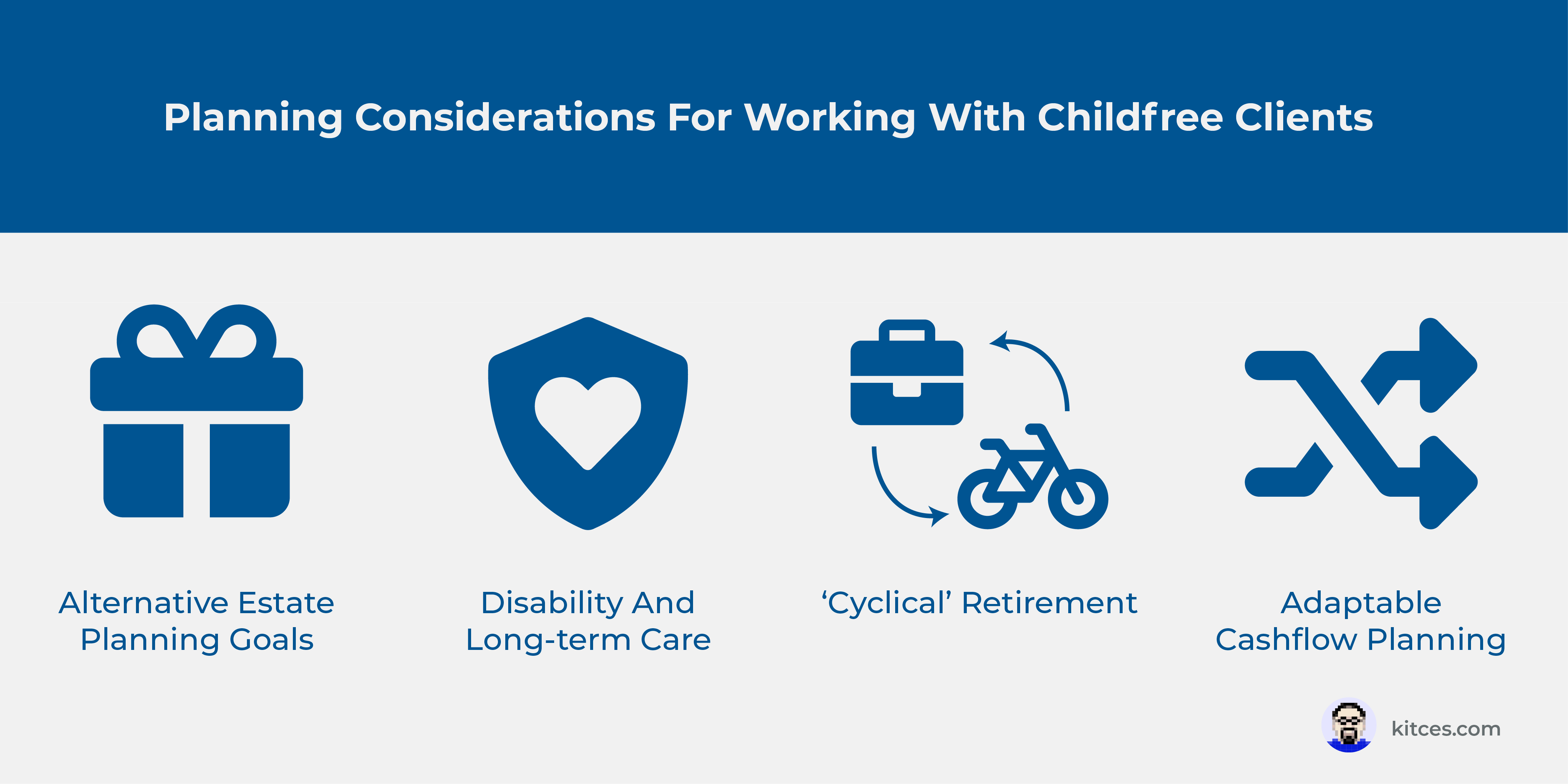
With fewer financial obligations, the dream of early retirement becomes significantly more attainable. The FIRE (Financial Independence, Retire Early) movement has gained momentum in recent years, and it’s particularly appealing to childfree individuals. The core principle of FIRE is saving a large percentage of your income (often 50% or more) and investing it aggressively to build a nest egg that will generate enough passive income to cover your living expenses.
Determining your "FIRE number’ – the amount of money you need to retire early – depends on your lifestyle and anticipated expenses. A common rule of thumb is the ‘4% rule’: you can safely withdraw 4% of your investment portfolio each year without depleting your principal. So, if you need $60,000 per year to live comfortably, you"d need a portfolio of $1.5 million (60,000 / 0.04 = 1,500,000).
There are different FIRE strategies. "Lean FIRE’ involves a minimalist lifestyle and a very frugal budget, allowing you to retire with a smaller nest egg. ‘Fat FIRE’ involves a more luxurious lifestyle and requires a much larger portfolio. And then there’s ‘Barista FIRE," where you retire partially and work a part-time job to supplement your income. The key is to find a strategy that aligns with your values and goals.
I’m not entirely convinced full retirement is for everyone. Many people find fulfillment in work, and early retirement can sometimes lead to boredom or a lack of purpose. But it’s definitely worth exploring the possibilities. There are numerous online communities and blogs dedicated to FIRE, and you can find real-life examples of people who have successfully achieved financial independence without children. A quick search on Reddit's r/financialindependence will show you a lot of different paths.
Estate Planning: It's Not Just for Parents
Estate planning is often viewed as something only parents need to worry about – protecting their children’s future. But it’s equally important for childfree individuals. Without children, your estate plan might look different, but it’s still crucial to ensure your assets are distributed according to your wishes.
A will is the foundation of any estate plan. It specifies how your assets will be distributed after your death. A trust can provide more control over how and when your assets are distributed, and can also help minimize estate taxes. A power of attorney designates someone to make financial decisions on your behalf if you become incapacitated. And a healthcare directive (also known as a living will) outlines your wishes regarding medical treatment.
Consider who you want to inherit your assets. This could be a spouse, other family members, friends, or a charitable organization. If you don’t have any close relatives, you can designate a charity as your beneficiary. It’s also important to name an executor – someone you trust to carry out the instructions in your will.
Charitable giving can be a significant part of your estate plan. You can make direct donations during your lifetime, or you can include a charitable bequest in your will or trust. This allows you to support causes you care about and leave a lasting legacy.
- Will: Specifies how assets are distributed.
- Trust: Provides more control and can minimize taxes.
- Power of Attorney: Designates someone for financial decisions.
- Healthcare Directive: Outlines medical treatment wishes.
Long-Term Care: Planning for the Unexpected
As we age, the possibility of needing long-term care becomes increasingly likely. This can include assistance with activities of daily living, such as bathing, dressing, and eating, or skilled nursing care in a facility. Long-term care can be incredibly expensive, and it’s important to plan for these costs.
Long-term care insurance can help cover the cost of care, but premiums can be high, and policies can be complex. Health Savings Accounts (HSAs) can also be used to pay for long-term care expenses, provided you meet certain requirements. Medicaid may be an option for those with limited income and assets, but eligibility requirements vary by state.
Consider the possibility of aging in place – remaining in your own home as you get older. This may require modifications to your home, such as installing grab bars or ramps, but it can be a more comfortable and affordable option than moving to a nursing facility. There are also a growing number of services available to help seniors age in place, such as home healthcare and meal delivery.
It’s a tough topic, but a necessary one. Ignoring the potential for long-term care expenses can leave you financially vulnerable in your later years. Talking to a financial advisor can help you assess your risk and develop a plan to address these costs.
Giving Back: Philanthropy and Legacy
Many childfree individuals feel a strong desire to give back and make a positive impact on the world. Without the financial obligations of raising children, you may have more resources available to support causes you care about. Philanthropy can be a powerful way to create a lasting legacy.
There are many different ways to give back. You can make direct donations to charities, volunteer your time, or establish a charitable foundation. A donor-advised fund (DAF) allows you to make a charitable contribution and receive an immediate tax deduction, while deferring the distribution of funds to charities at a later date.
The tax benefits of charitable giving can be significant. Donations to qualified charities are generally tax-deductible, which can reduce your taxable income. Consider consulting with a tax advisor to understand the tax implications of your charitable contributions.
Ultimately, philanthropy is about aligning your values with your resources. It’s about identifying causes you’re passionate about and supporting them in a meaningful way. It’s a chance to create a lasting impact and leave the world a better place.
Wealth Building Strategies
- High-Yield Savings Accounts (HYSAs) - Explore options like those offered by Ally Bank or Marcus by Goldman Sachs. They provide significantly better interest rates than traditional savings accounts, allowing your money to grow faster. 💰
- Index Fund Investing - Consider low-cost index funds through Vanguard or Fidelity. These funds offer diversification and historically strong returns, perfect for long-term wealth accumulation. 📈
- Real Estate Investment Trusts (REITs) - Platforms like Fundrise allow you to invest in real estate without directly owning property. This can provide passive income and portfolio diversification. 🏘️
- Tax-Advantaged Accounts - Maximize contributions to 401(k)s and IRAs (Roth or Traditional) to reduce your current tax burden and grow your retirement savings tax-free or tax-deferred. 🤓
- Donor-Advised Funds (DAFs) - Organizations like Fidelity Charitable allow you to make a charitable contribution, receive an immediate tax deduction, and then recommend grants to charities over time. This aligns with philanthropic goals and offers tax benefits. ❤️
- Certificates of Deposit (CDs) - CDs from institutions like Capital One can offer fixed interest rates for a set period, providing a safe and predictable investment option. 🔒
- Brokerage Accounts with Fractional Shares - Services like Schwab or Robinhood let you buy portions of shares, making investing in expensive stocks accessible even with a smaller budget. 💸
Financial Planning for Couples: Aligning Goals
If you’re in a relationship, aligning your financial goals is crucial for long-term success. Open and honest communication about money is essential. Talk about your values, your priorities, and your financial aspirations. What does financial freedom mean to both of you?
Create a shared financial plan that reflects both of your goals. This should include a budget, savings goals, investment strategies, and estate planning considerations. Be realistic about your income and expenses, and be willing to compromise. Kitces.com offers excellent resources on financial planning for couples, including guidance on navigating potential conflicts.
Potential conflicts often arise when couples have different spending habits or financial priorities. It’s important to address these conflicts constructively. Listen to each other’s perspectives, and be willing to find solutions that work for both of you. Consider working with a financial advisor to mediate discussions and develop a plan that everyone can agree on.
Remember, financial planning is an ongoing process. It’s important to revisit your plan regularly and make adjustments as needed. Life changes, and your financial plan should evolve with it. By working together and communicating openly, you can build a strong financial foundation for a fulfilling future.
What's your #1 financial goal for 2026 as a childfree person?
We're all building wealth on our own terms — but where are you focusing your energy (and your dollars) this year? Vote below and let's see what the community is prioritizing! 💰


No comments yet. Be the first to share your thoughts!