
Start with a childfree financial audit
Building wealth without children requires a different baseline assessment. You likely have higher disposable income but fewer traditional safety nets, meaning your financial plan must be self-sufficient and robust. This audit helps you see exactly where you stand today so you can build a future that reflects your choices.

List every asset you own, including checking accounts, retirement funds, real estate, and investments. Then list all liabilities, such as mortgages, student loans, and credit card debt. Subtract liabilities from assets to find your true net worth. This number is your starting line.
Review your last three months of bank statements. Categorize every dollar spent into needs, wants, and savings. Without children, your "needs" may include higher discretionary spending or travel. Identify where your extra income goes and where you can redirect it toward long-term goals.

Since you may not have dependents relying on your income, term life insurance might be less critical. However, disability and long-term care insurance are vital. Without children to care for you in old age, a disability could derail your plans. Ensure your policies cover medical costs and lost income adequately.

Even without children, you need a will and healthcare directives. Name a trusted friend or sibling as your executor and healthcare proxy. State laws may default to parents or siblings if you have no will, which might not reflect your wishes. Update these documents every few years or after major life changes.
This audit reveals gaps in your protection and opportunities to accelerate your savings. Use these insights to set specific, measurable financial goals that align with your childfree lifestyle.
Build an estate plan without heirs
When there are no children to inherit your assets, the default state is intestacy. Without a plan, state law decides who gets your money, your home, and your possessions. For most people, that outcome is neither fair nor aligned with their wishes.
An estate plan is the mechanism that overrides those default rules. It ensures your wealth goes to the people, charities, or causes you actually care about. This is your chance to define your legacy on your own terms.
Start by meeting with an attorney who specializes in estate planning. They will help you navigate state-specific laws and identify the right legal structures for your situation. This step is essential for ensuring your documents are legally binding.
Create a will to name beneficiaries, a living trust to avoid probate, and powers of attorney for both healthcare and finances. These documents give you control over your assets and medical decisions, even if you cannot speak for yourself.
Keep your original documents in a safe place, such as a fireproof safe or with your attorney. Share the location and access instructions with your trusted executor or agent so they can act when the time comes.
This process transforms uncertainty into clarity. By taking these steps, you secure your freedom to choose who benefits from your life’s work. You are not just protecting assets; you are protecting your values.
Invest for early retirement and travel
The childfree advantage isn't just about having more disposable income; it's about compounding that surplus into freedom. Without the high costs of raising children, you can direct a significantly higher percentage of your earnings toward investment accounts. This accelerated savings rate is the engine that drives early retirement, allowing you to fund luxury experiences and travel well before traditional retirement age.
To see the power of this strategy, compare standard savings habits with an accelerated childfree approach. The difference in portfolio growth over two decades is substantial, turning modest monthly contributions into a robust travel fund.
| Category | Standard Savings (15% Income) | Childfree Accelerated (30% Income) | Projected Value (7% Return) |
|---|---|---|---|
| Monthly Contribution | $750 | $1,500 | N/A |
| Annual Contribution | $9,000 | $18,000 | N/A |
| Total Invested | $180,000 | $360,000 | N/A |
| Final Portfolio Value | ~$420,000 | ~$840,000 | ~$840,000 |
This table illustrates how doubling your savings rate can effectively double your future liquidity. The goal is to build a portfolio that supports a lifestyle of choice, not just survival. Whether you dream of a month in Tuscany or a year of digital nomadism, the capital required starts with these disciplined early investments.
To execute this, follow this simple sequence to align your investments with your travel goals:
Once your portfolio is humming, you can start planning the logistics. Here are some essential tools to make your travel dreams a reality:


As an Amazon Associate, we may earn from qualifying purchases.
By treating your savings rate as a flexible tool rather than a fixed constraint, you gain the ability to design a life rich in experiences. The childfree path offers a unique opportunity to prioritize personal growth and exploration, funded by the financial discipline you build today.
Secure long-term care options
Aging without children means you cannot rely on family members for daily care or medical advocacy. This gap is not a reason to panic; it is a clear signal to build professional support systems while you are healthy and independent. Long-term care insurance acts as your financial infrastructure, paying for services that health insurance and Medicare typically exclude.
Start by assessing your current health and family medical history to determine your risk profile. If you are under 60, now is the most cost-effective time to lock in rates. If you are older, look into hybrid life insurance policies that include long-term care riders, which offer a return of premium if you never need care. Pair this financial protection with community-based solutions, such as hiring a geriatric care manager or joining a co-housing arrangement, to ensure you have a trusted network for decision-making.
Choose the right financial tools
Building wealth without children means you are the primary architect of your legacy. You need software and resources that simplify tracking, automate growth, and clarify your estate plans. The right tools turn abstract goals into concrete actions, giving you total control over your financial future.
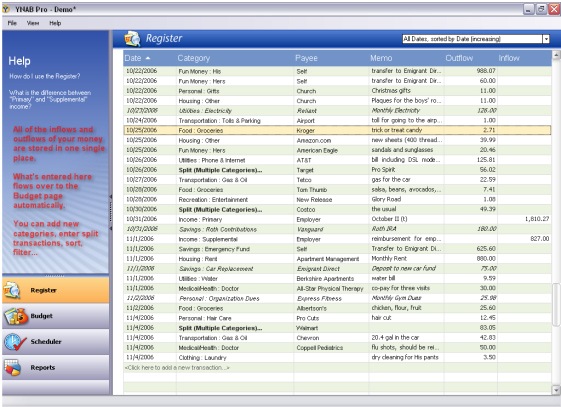
Start with a dedicated budgeting app to monitor cash flow without the complexity of child-related expenses. Look for platforms that offer custom categories for travel, hobbies, or charitable giving. These apps provide the visibility needed to adjust your savings rate as your lifestyle evolves.
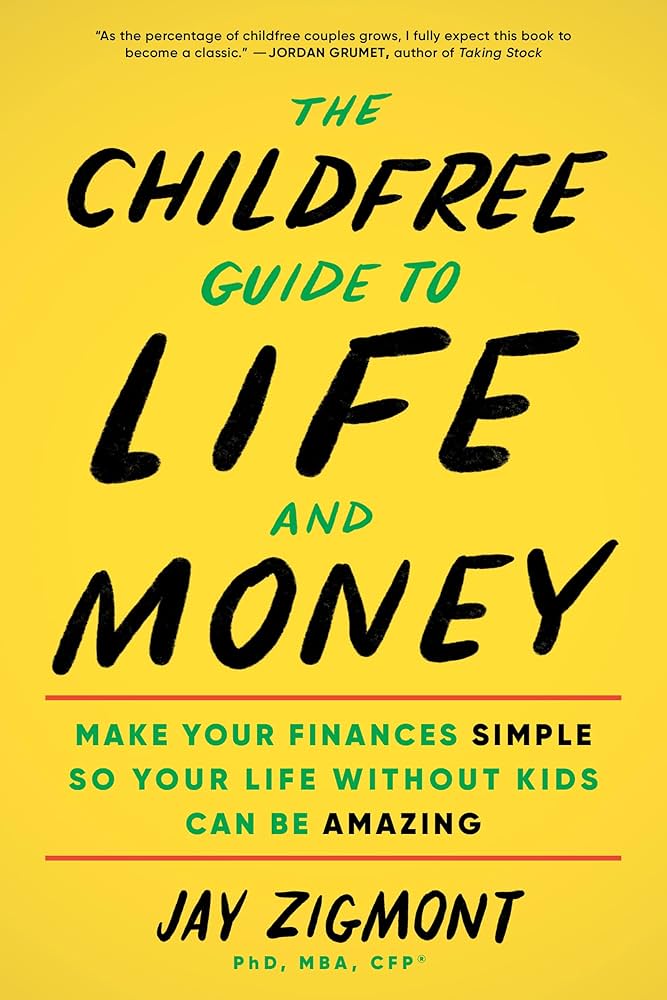
For deeper planning, consider specialized advisory services or educational books designed for the childfree demographic. These resources address unique concerns like elder care funding and non-traditional inheritance structures. Having the right guidance ensures your assets align with your personal values and long-term freedom.

As an Amazon Associate, we may earn from qualifying purchases.
No comments yet. Be the first to share your thoughts!