
The financial math of childfree living
Choosing a childfree lifestyle fundamentally alters your household’s balance sheet by removing one of the largest fixed expenses in modern life. The USDA estimates that raising a child to age 17 costs approximately $233,000, not including college tuition. For a childfree couple, that capital remains in your portfolio rather than flowing into daycare, education, and daily necessities. This creates a compounding advantage that accelerates your path to financial independence.

Consider the mechanics of savings rates. A couple with two children might save 10-15% of their income after covering childcare and school-related costs. Without those fixed burdens, the same income can support a 30-50% savings rate. When invested in low-cost index funds, that extra 20% contribution can double your retirement corpus over a 30-year horizon. This isn't just about having more money; it's about having more time.
The financial runway to support flexible travel and retirement strategies is built on the daily discipline of keeping fixed costs low. By treating your lack of dependents as a strategic asset rather than just a lifestyle choice, you can design a retirement that prioritizes exploration over accumulation.
Strategies for early retirement without dependents
To make the childfree lifestyle benefit decision easier to compare in real life, start with your actual constraints and separate must-have requirements from nice-to-have details. A practical choice should survive normal use, maintenance, timing, and budget. If a recommendation only works in an ideal situation, call that out plainly and give the reader a fallback path.
The simplest way to use this section is to write down the must-have criteria first, then compare each option against those criteria before weighing nice-to-have features.
Best destinations for flexible travel schedules
Beyond simple convenience, the childfree lifestyle benefit unlocks a specific tier of travel that requires financial planning and logistical freedom. Without the anchor of a school calendar or the need for family-friendly infrastructure, you can target regions that reward long-term stays, digital nomad visas, and off-season luxury. This approach transforms travel from a sporadic vacation into a sustainable lifestyle component.
Southeast Asia: The Digital Nomad Hub
Southeast Asia remains the premier destination for childfree travelers seeking high quality of life at a fraction of Western costs. Cities like Chiang Mai, Thailand, and Canggu, Bali, offer robust digital infrastructure, affordable long-term rentals, and vibrant expat communities. The financial advantage is stark: a comfortable monthly budget of $1,500 to $2,500 can cover premium housing, daily dining, and domestic flights, allowing you to stretch retirement savings significantly further than in Europe or North America.
Southern Europe: Off-Season Luxury
For those who prefer cultural immersion and historical depth, Southern Europe offers unparalleled value during the shoulder seasons. By traveling between April and June or September and October, you avoid the peak summer crowds and inflated prices. Countries like Portugal and Spain have introduced digital nomad visas, streamlining the process for long-term stays. The cost of living in cities like Lisbon or Porto is rising, but it remains competitive, and the quality of healthcare and public transport is exceptional.
The Caribbean: Extended Stays
The Caribbean is often viewed as a short-term luxury, but for the childfree traveler, it offers unique advantages for extended stays. Many islands, such as Barbados and the Cayman Islands, have specific "workation" visas that allow stays of up to a year. While the daily cost is higher than in Asia, the proximity to North America and the ability to maintain a stable home base without the hassle of frequent packing make it ideal for those who want tropical living without sacrificing connectivity.
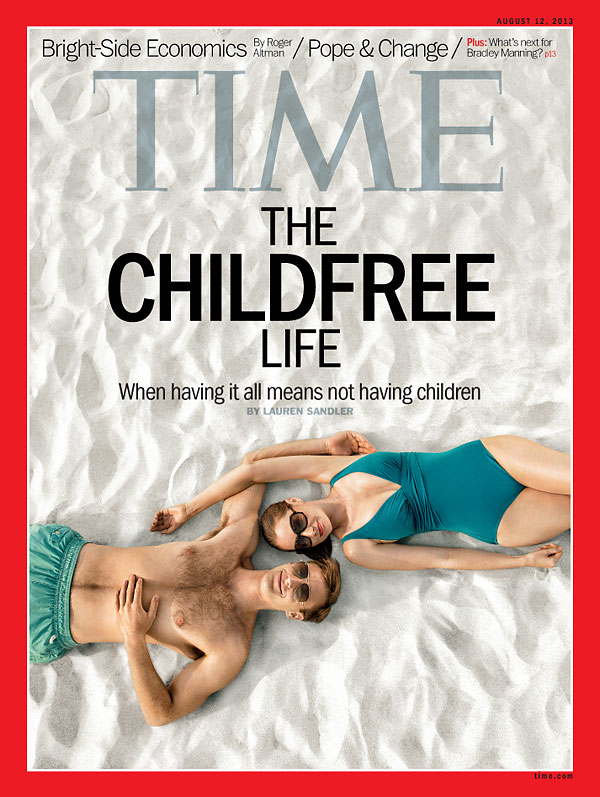
Choosing these destinations requires a shift in mindset. Instead of treating travel as a break from routine, view it as an integration of work, leisure, and location independence. The childfree lifestyle benefit is most realized when you align your geographic choices with your financial goals and personal interests, creating a life that is both flexible and fulfilling.
Building a life of purpose and community
The childfree lifestyle benefit extends far beyond financial flexibility; it fundamentally reshapes how you build social infrastructure. Without the central anchor of parenting, community becomes a deliberate choice rather than a byproduct of school runs or neighborhood proximity. This shift allows for the cultivation of deep, reciprocal friendships that function as a chosen family, providing robust emotional support during retirement and beyond.
Research indicates that individuals without children often maintain larger, more diverse social networks. These connections are not merely casual acquaintances but vital support systems that contribute significantly to long-term mental health. By investing time in friends, mentors, and community groups, childfree individuals create a safety net that is both resilient and adaptable to changing life stages.

This intentional community building requires effort, but the payoff is a life rich in shared experiences and mutual care. Whether through volunteer work, hobby groups, or regular gatherings with close friends, these connections provide a sense of belonging and purpose that complements the freedom of the childfree path. The result is a supported, fulfilling retirement defined by choice and connection.
Frequently Asked Questions About Childfree Travel
Traveling without children offers distinct logistical advantages, from flexible itineraries to easier visa processing. Below are common questions regarding the practicalities of the childfree lifestyle.
No comments yet. Be the first to share your thoughts!