
The childfree advantage
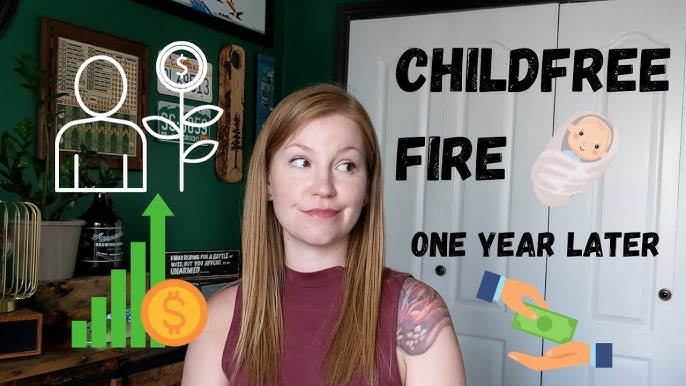
I recently read about a couple, Sarah and Mark, who retired to Portugal at 45. They weren’t lottery winners; they were strategic. They built wealth aggressively, and a significant part of their plan involved not having children. This isn't a unique story. More and more childfree couples are embracing the FIRE (Financial Independence, Retire Early) movement, and they're achieving it faster than many of their peers.
FIRE is about financial freedom—having enough passive income to cover your life so you can quit working long before 65. Skipping kids changes the math. Raising a child costs a fortune. Between housing, food, and education, you're looking at hundreds of thousands of dollars that stay in your brokerage account instead of going toward diapers and tuition.
That freed-up capital isn't simply saved; it's strategically invested. Instead of funding college funds, it’s working to build a portfolio that generates passive income. Now, let’s be clear: FIRE isn’t solely about not having kids. You can achieve FIRE with children, but it requires a much steeper climb. For childfree couples, it’s a powerful accelerator, offering a significant head start.
It’s also important to acknowledge the privilege inherent in this path. Not everyone has the option to choose whether or not to have children, and financial planning should always be adapted to individual circumstances. But for those who do make a conscious decision to remain childfree, the financial benefits are undeniable and can unlock a level of freedom many only dream of.
Finding your number
So, how do you actually figure out how much money you need to retire early? The most common starting point is the 4% rule. This rule suggests you can withdraw 4% of your investment portfolio each year without running out of money, assuming a balanced investment strategy. However, it’s not foolproof, and many advisors now suggest a more conservative 3% or 3.5% withdrawal rate, especially with increasing longevity.
First, estimate your annual expenses in retirement. This is where being childfree makes a huge difference. You don't have to factor in costs like diapers, school tuition, or allowances. Be realistic, though. Include housing, food, healthcare, travel, hobbies, and any other expenses you anticipate. Let’s say you estimate your annual expenses to be $60,000. Using the 4% rule, your FIRE number would be $1,500,000 ($60,000 / 0.04).
But there's more to it than just a simple calculation. Different people have different FIRE numbers. 'Lean FIRE' involves a very frugal lifestyle and a lower retirement income ($30,000-$40,000 per year). 'Fat FIRE' allows for a more luxurious lifestyle and a higher income ($100,000+ per year). Most people land somewhere in between. It’s about defining your ideal retirement lifestyle and then calculating the cost.
Remember, these are just starting points. Unexpected expenses can arise, and market fluctuations can impact your portfolio. It's crucial to regularly review and adjust your calculations as your circumstances change. Consider using online FIRE calculators – many are available – as a helpful tool, but always personalize the results to your specific situation.
Investing for growth
Once you determine your FIRE number, the next step is to build a portfolio that can generate the necessary income. Low-cost index funds and ETFs (Exchange Traded Funds) are popular choices among FIRE enthusiasts. These funds offer broad market exposure and typically have very low expense ratios, maximizing your returns over time. Vanguard’s Total Stock Market Index Fund (VTSAX) is a consistently recommended option.
Diversification is key. Don’t put all your eggs in one basket. Spread your investments across different asset classes – stocks, bonds, real estate, and potentially even alternative investments. Real estate, in particular, can provide both rental income and appreciation potential. Consider rental properties or REITs (Real Estate Investment Trusts).
Maximize your contributions to tax-advantaged accounts. Take full advantage of 401(k)s, IRAs, and HSAs (Health Savings Accounts). These accounts offer tax benefits that can significantly boost your savings. If your employer offers a 401(k) match, contribute enough to get the full match – it’s essentially free money. Current HSA contribution limits for 2024 are $4,150 for individuals and $8,300 for families.
Increasing your income is another powerful way to accelerate your progress towards FIRE. Consider pursuing a side hustle or developing new skills to increase your earning potential. Even a small increase in income can have a significant impact on your savings rate. With interest rates fluctuating, it's also wise to shop around for high-yield savings accounts to maximize returns on your cash reserves.
Investment Vehicle Comparison for Early Retirement (2026)
| Risk Level | Potential Return | Liquidity | Tax Implications | Complexity |
|---|---|---|---|---|
| Stocks (Index Funds/ETFs) | High | High | Generally taxable as capital gains; potential for qualified dividends. | Medium |
| Bonds | Low to Medium | Medium | Taxable interest income; may be tax-advantaged in certain accounts. | Low to Medium |
| Real Estate | Medium to High | Low | Rental income taxable; potential capital gains upon sale; mortgage interest deductible. | High |
| Cryptocurrency | Very High | Medium to High | Taxable as property; capital gains/losses apply to each transaction. | High |
| High-Yield Savings Accounts | Low | Low | Taxable interest income. | Low |
| Certificates of Deposit (CDs) | Low | Low to Medium | Taxable interest income; penalties for early withdrawal. | Low |
| Treasury Bills | Low | High | Federal income tax exempt, state and local tax exempt. | Low |
Illustrative comparison based on the article research brief. Verify current pricing, limits, and product details in the official docs before relying on it.
The danger of lifestyle creep
Lifestyle inflation is the biggest enemy of FIRE. As your income increases, it’s tempting to upgrade your lifestyle – to buy a bigger house, a fancier car, or more expensive clothes. But these purchases often come at the expense of your savings goals. It’s a slow creep, but it can derail your progress before you even realize it.
Mindful spending is crucial. Track your expenses, identify areas where you can cut back, and prioritize experiences over material possessions. Ask yourself: Does this purchase align with my values and my long-term goals? Do I need this, or do I just want it? A budget isn’t about deprivation; it’s about making conscious choices.
Find joy in free or low-cost activities. Hiking, reading, spending time with loved ones, volunteering – these are all fulfilling activities that don't require a lot of money. Focus on building a life that is rich in experiences, not just possessions. Remember, FIRE is about gaining freedom, not just accumulating wealth.
A simple checklist can help: Before making a significant purchase, wait 24-48 hours. Consider the opportunity cost – what else could you do with that money? And ask yourself if the purchase will truly add value to your life.
The healthcare hurdle
Healthcare is a major expense, especially in the United States, and it’s a significant consideration for anyone considering early retirement. Before Medicare eligibility at age 65, you’ll need to find alternative health insurance options. This can be one of the most daunting aspects of FIRE.
The Affordable Care Act (ACA) marketplace offers plans for those who don’t have employer-sponsored insurance. However, premiums can be high, and subsidies are income-dependent. A Health Savings Account (HSA) can be a valuable tool for saving for healthcare expenses. Contributions are tax-deductible, and the funds grow tax-free. You can use the funds to pay for qualified medical expenses.
Another option is to work part-time to maintain employer-sponsored health insurance. This can be a good solution if you’re not quite ready to fully disconnect from the workforce. It’s also wise to consider long-term care insurance, as the costs of long-term care can be substantial.
I'm not a doctor or an insurance broker, so check the latest rates yourself. Healthcare.gov and the Kaiser Family Foundation (kff.org) are the best places to start looking at actual plan costs.
Moving for money
Location independence is a powerful tool for accelerating your FIRE journey. Choosing to live in a lower cost-of-living area can dramatically reduce your expenses. Housing, transportation, and everyday goods are often cheaper in smaller cities or rural areas.
This also opens up the possibility of travel and remote work. Many childfree couples are embracing a nomadic lifestyle, traveling the world while working remotely. This can be a truly fulfilling way to experience early retirement. Websites like Nomad List provide information on the cost of living and quality of life in different cities around the world.
However, there are tax implications to consider. Living abroad can affect your tax residency and reporting requirements. It's important to consult with a tax advisor to ensure you're complying with all applicable laws. The Foreign Earned Income Exclusion allows U.S. citizens and resident aliens to exclude a certain amount of foreign-earned income from their taxes.
I recently came across a Reddit thread (r/financialindependence) where a couple detailed their move from San Francisco to Lisbon, Portugal, reducing their living expenses by over 50%. They were able to accelerate their savings and retire several years earlier as a result.
Content is being updated. Check back soon.
Life after work
FIRE isn’t just about financial freedom; it’s about creating a fulfilling life. Many people struggle with the transition to early retirement, feeling lost or lacking purpose without the structure of a traditional job. It’s essential to plan for this psychological shift.
Having hobbies, volunteer opportunities, and continued learning can help fill the void. Explore new interests, take classes, or join clubs. Volunteering can provide a sense of purpose and connection to your community. Learning new skills can keep your mind engaged and prevent boredom.
It’s also important to maintain social connections. Spend time with loved ones, make new friends, and stay involved in activities you enjoy. FIRE shouldn’t lead to isolation. It should be an opportunity to pursue your passions and live a more meaningful life.
A recent Twitter roundup of FIRE retirees showed a common theme: those who had a clear vision for their post-work life were the most satisfied. It's about redefining 'work' to include activities that bring you joy and fulfillment, even if they don't generate income.


No comments yet. Be the first to share your thoughts!