
Why childfree planning differs
Removing child-rearing costs from your budget changes the math of early retirement. Without tuition fees, childcare, or extracurricular expenses, you can typically direct a significantly larger portion of your income toward savings and investment. This higher savings rate accelerates your path to financial independence, allowing you to reach your target number years earlier than peers with similar incomes but family obligations.
However, this financial advantage comes with a distinct liability: the absence of a built-in support network. Parents often rely on adult children for elder care, transportation, and emergency decision-making. As a childfree retiree, you must actively construct a "chosen family" or professional support system to fill this gap. This shifts the burden from relational reliance to financial preparation.
Your estate planning also requires a different lens. Without direct descendants, your assets may pass to siblings, nieces, nephews, or charities. This necessitates precise legal documentation, including durable powers of attorney and healthcare directives, to ensure your wishes are honored by friends or professionals rather than distant relatives who may have conflicting interests.
Maximize tax-advantaged accounts
Childfree households often have higher disposable income because they aren't funding college tuition or large family expenses. You can redirect that capital into tax-advantaged accounts to accelerate your early retirement timeline. By treating your retirement savings as your primary financial responsibility, you build a robust nest egg without the need for a traditional two-income family structure.

Start by contributing enough to your 401(k) or 403(b) to get the full employer match. This is an immediate 100% return on your investment. If your employer matches 50% of contributions up to 6% of your salary, contribute at least 6%. Do not leave free money on the table. This step requires minimal effort but provides the highest guaranteed return in your portfolio.

Health Savings Accounts (HSAs) offer a triple tax advantage: tax-deductible contributions, tax-free growth, and tax-free withdrawals for qualified medical expenses. If you are eligible through a high-deductible health plan, contribute the maximum allowed. Even if you pay medical bills out of pocket now, save your receipts and let the HSA grow tax-free. In early retirement, you can reimburse yourself for past expenses tax-free, effectively making it a supplemental retirement account.
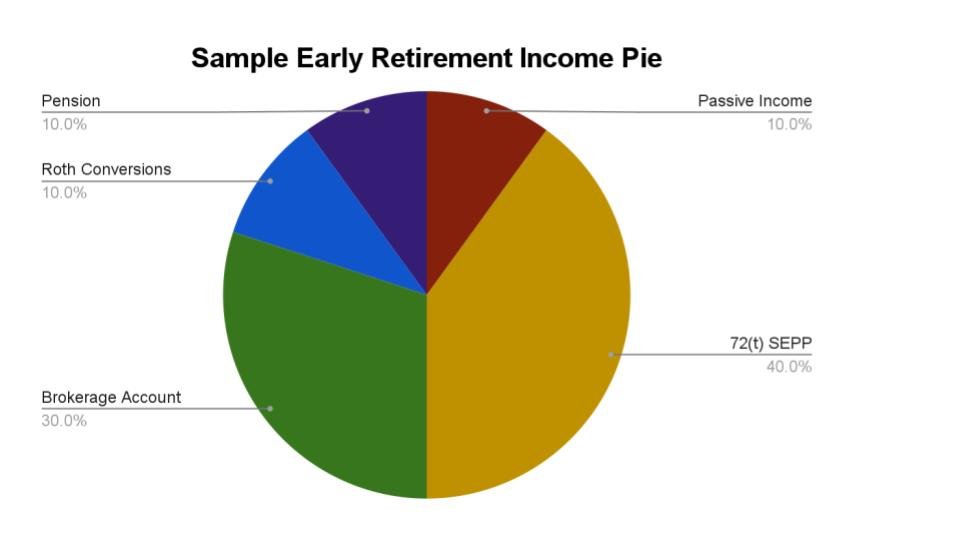
After securing the match and HSA contributions, direct any remaining investable income to your remaining retirement accounts. Prioritize a Roth IRA if you expect to be in a higher tax bracket in retirement, or a Traditional IRA/401(k) if you want to lower your current taxable income. The goal is to maximize annual contribution limits across all available vehicles. For childfree individuals, this aggressive funding strategy compensates for the lack of Social Security dependent benefits and ensures self-sufficiency.
Once tax-advantaged accounts are maxed out, move additional savings into a taxable brokerage account. These accounts offer flexibility without the early withdrawal penalties of 401(k)s or IRAs. Use this bucket to fund the years between leaving your job and accessing retirement accounts penalty-free. Invest in low-cost index funds to keep fees minimal and returns consistent. This account serves as your bridge to early retirement, providing liquidity when you need it most.
The strategy relies on automation and discipline. Set up automatic transfers from your checking account to these investment accounts immediately after payday. This removes the temptation to spend the money on non-essential items. Childfree couples often find it easier to maintain high savings rates because they have fewer competing financial priorities. Focus on building wealth now to buy freedom later.
Build a long-term care safety net
Without children to provide hands-on care, your early retirement strategy must account for the financial and logistical realities of aging alone. The goal is to ensure you retain autonomy over your living situation and medical decisions, rather than relying on family members or defaulting to state-funded assistance. This requires a proactive approach to funding care, whether through insurance products or dedicated savings.
Compare your funding options
You generally have three paths to cover long-term care costs: traditional insurance, self-insuring through savings, or hybrid policies. Each has distinct trade-offs regarding cost, complexity, and payout guarantees.
| Option | Upfront Cost | Payout Structure | Primary Risk |
|---|---|---|---|
| Traditional LTC Insurance | High premiums | Reimburses qualified care | Policy lapse if premiums rise or health changes |
| Self-Insuring (High-Yield Savings) | Variable savings rate | Direct access to cash | Outliving savings or underestimating care costs |
| Hybrid Life/LTC Policy | High single premium or limited pay | LTC benefit or death benefit | Lower liquidity; tied to specific insurer |
Traditional long-term care insurance offers the highest potential payout but comes with rising premiums and strict health underwriting. If you qualify, it provides a clear safety net. Self-insuring requires building a substantial dedicated fund, often held in high-yield savings or conservative investments, to cover estimated costs. Hybrid policies combine life insurance with long-term care benefits, allowing you to recover premiums as a death benefit if you never need care, though they require a larger initial outlay.
Secure your legal and medical directives
Funding is only half the equation. You must establish the legal authority to manage your care if you become incapacitated. Without a spouse or children, default state laws may appoint a guardian who is unfamiliar with your preferences.
- Durable Power of Attorney for Healthcare: Designate a trusted agent—such as a sibling, close friend, or professional fiduciary—to make medical decisions on your behalf.
- HIPAA Authorization: Ensure your chosen agent can access your medical records, which are otherwise protected from disclosure.
- Advance Healthcare Directive: Document your specific wishes regarding life-sustaining treatment, resuscitation, and end-of-life care.
These documents should be reviewed every three to five years or after any major life change. Keep digital copies accessible to your agent and physical copies in your primary residence.
Fund travel and lifestyle goals
Without the long-term financial anchor of raising children, childfree retirees often redirect surplus cash flow toward high-quality experiences. This strategy transforms abstract financial freedom into tangible lifestyle benefits, such as frequent international travel, specialized hobbies, or premium health services.
Start by quantifying your target annual spend on discretionary activities. Treat this amount as a fixed expense, similar to a mortgage or insurance premium, and automate transfers to a dedicated "Experience Fund" account. This separation prevents lifestyle inflation from bleeding into your core retirement savings.
Next, audit your current spending to identify areas where you can reallocate funds. If you currently spend on items that provide diminishing returns, redirect those dollars toward experiences that enhance your daily quality of life. For frequent travelers, investing in durable, high-quality gear reduces long-term replacement costs and enhances comfort.


As an Amazon Associate, we may earn from qualifying purchases.
Finally, build flexibility into your budget. Life changes, and so do travel desires. Keep a portion of this fund liquid to seize last-minute opportunities or adjust plans as your health and interests evolve. This approach ensures that your early retirement remains both financially secure and personally rewarding.
Create a legal and estate plan
Without children to serve as default decision-makers or beneficiaries, your legal documentation must be explicit. A standard estate plan for the childfree focuses on three pillars: healthcare directives, financial power of attorney, and a living trust. These documents ensure that your chosen confidants or professional fiduciaries can act on your behalf if you become incapacitated, and that your assets transfer according to your specific wishes rather than state intestacy laws.
Start with the Durable Power of Attorney and Healthcare Proxy. These documents grant authority to a trusted agent to manage finances and medical decisions. Name a primary agent and a backup, ensuring they are willing and able to serve. Next, draft a Will to appoint an executor and distribute personal property. For broader asset protection and privacy, establish a Revocable Living Trust. This allows you to bypass probate, keeping your estate details private and potentially reducing legal fees.
Review these documents every three to five years or after major life changes, such as a move to a new state with different laws. Store the originals in a secure but accessible location and provide copies to your agents. Consider using a reputable legal service or attorney to ensure compliance with local statutes.
No comments yet. Be the first to share your thoughts!