
Get financial planning right
Financial planning for childfree adults doesn't start with death; it starts with intentional choices during your working years. Without children to inherit assets or provide care, you must build a system that prioritizes your own longevity and lifestyle.
Start by calculating your emergency fund. Money is the power to live life on your terms, and a robust savings cushion protects that freedom against unexpected medical bills or career shifts. Next, align your portfolio with long-term goals rather than short-term gains. Consider a flexible withdrawal strategy that adapts to market conditions, ensuring your savings last as long as you do.
Finally, address the non-financial side of planning. If you lack a spouse or children to make decisions, hire a professional fiduciary or estate attorney to serve as your power of attorney. This step prevents legal gridlock and ensures your healthcare and financial wishes are honored.
Work through the steps to build your financial freedom
Estate planning for childfree adults does not begin at death; it begins with thoughtful financial planning during life. Without children to inherit assets or make medical decisions, you must design your own safety net. This sequence turns abstract worries into concrete actions, securing the travel budget and independence that define the childfree advantage.

Most standard advice suggests three to six months of expenses. Without a traditional family safety net, aim for six to twelve months. This cash buffer protects your freedom to travel or switch jobs without touching long-term investments during market dips. Keep this money in a high-yield savings account where it is accessible but distinct from your daily checking.

If you do not have a spouse or children, you must name a trusted friend, sibling, or professional to make medical and legal decisions if you become incapacitated. Without this designation, state laws decide for you, often resulting in distant relatives or court-appointed guardians. A durable power of attorney and advance healthcare directive ensure your specific wishes are honored.
Childfree individuals often face a longer potential retirement horizon. Align your portfolio with this timeline rather than a standard 30-year retirement model. Consider a flexible withdrawal strategy that adjusts to market performance. Rebalance annually to maintain your risk tolerance, ensuring your assets support decades of travel and lifestyle choices without running dry.
Healthcare expenses are the most common threat to financial freedom for those without children. Discuss long-term care insurance or self-insuring through dedicated savings early. If you choose self-insurance, treat it as a separate, non-negotiable line item in your budget. This proactive step prevents medical bills from eroding your travel fund or forcing you into institutional care.
Without default heirs, your estate plan must explicitly name beneficiaries for all accounts and property. Decide who receives your assets—friends, charities, or extended family—and document these wishes in a will. Consider setting up a trust for complex assets to avoid probate. Clear instructions reduce legal fees and ensure your wealth supports the causes and people you value.
-
Verify beneficiary designations on all retirement accounts
-
Schedule a meeting with an estate planning attorney
-
Review emergency fund balance against 6-12 months of expenses
-
Update advance healthcare directive annually
-
Confirm long-term care insurance policy details
Fix Common Mistakes
The biggest threat to childfree financial freedom isn’t lack of income; it’s assuming others will handle your affairs. Many adults skip critical planning steps because they lack the traditional "default" safety net of children or a spouse. This section outlines the specific errors that derail long-term security and how to correct them before they become emergencies.
1. Forgetting to Name a Financial Power of Attorney
Without a spouse or adult children, no one has the legal right to manage your bank accounts or pay bills if you become incapacitated. Courts will intervene, which is slow and expensive. You must explicitly designate a trusted friend, sibling, or professional fiduciary to act as your agent. This person needs immediate access to your financial records to keep your life running smoothly during a crisis.
2. Ignoring Long-Term Care Costs
Childfree individuals often assume they can age in place without professional help. This is a dangerous assumption. Without family to provide unpaid caregiving, you will likely need paid support for activities of daily living. Underestimating these costs can drain your travel budget and retirement savings. Calculate the potential cost of assisted living or in-home care and integrate it into your withdrawal strategy.
3. Leaving Beneficiaries Outdated
Life changes, but beneficiary designations on retirement accounts and insurance policies often do not. If you leave a former partner or a defunct trust as your primary beneficiary, your assets may go to the wrong person—or to the state. Review these designations annually. If you have no direct heirs, consider leaving assets to a charity, a pet trust, or a close friend who has agreed to the responsibility.
4. Skipping the "What If" Scenarios
Most estate plans focus only on death. Childfree adults must also plan for disability and cognitive decline. Do you have a plan for who makes medical decisions if you lose capacity? Without a spouse, your parents or siblings may disagree on your care. Create a comprehensive advance directive and a healthcare proxy to ensure your wishes are followed, not your family’s preferences.
Financial planning without children: what to check next
Helpful gear
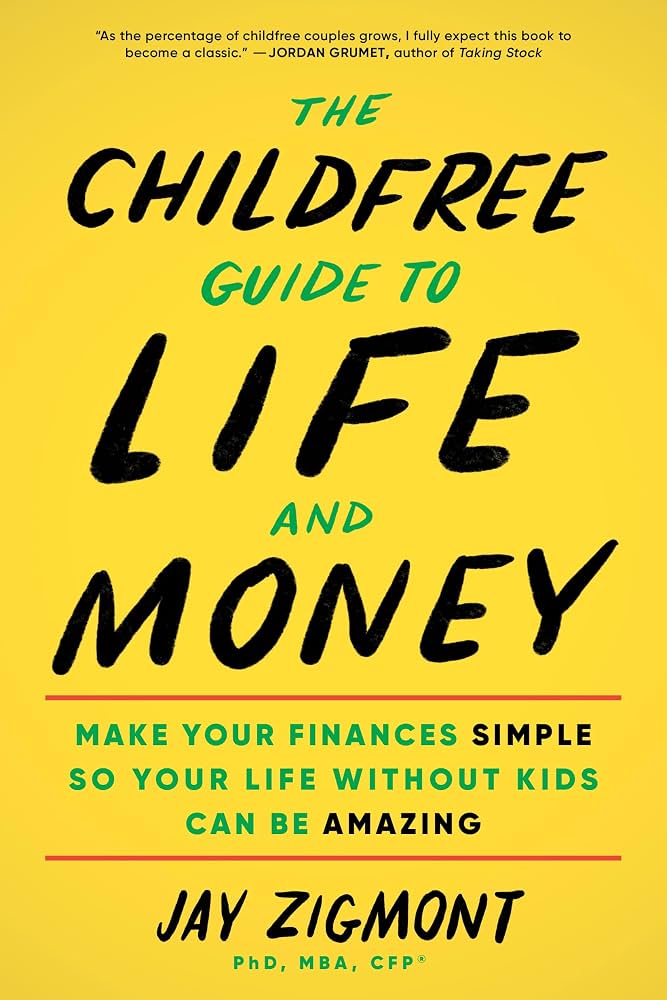
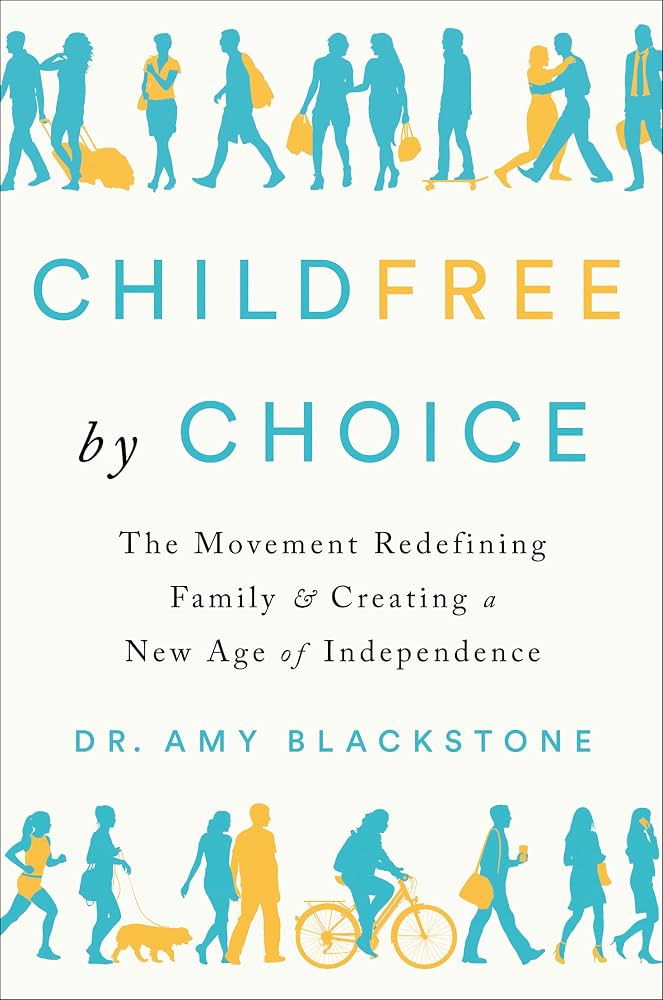
Use these product recommendations as a starting point, then choose the size, material, and price point that fit how you actually use the gear.

As an Amazon Associate, we may earn from qualifying purchases.
No comments yet. Be the first to share your thoughts!