

Budget-friendly childfree lifestyle benefits
The financial freedom of a childfree life isn't just about avoiding tuition bills; it's about the daily leverage you gain on goods and services. Without the constant drain of diapers, childcare, and kid-centric gear, your disposable income shifts from survival to investment and experience. This isn't an abstract concept—it's a tangible shift in how you allocate resources for gear, travel, and home comfort.
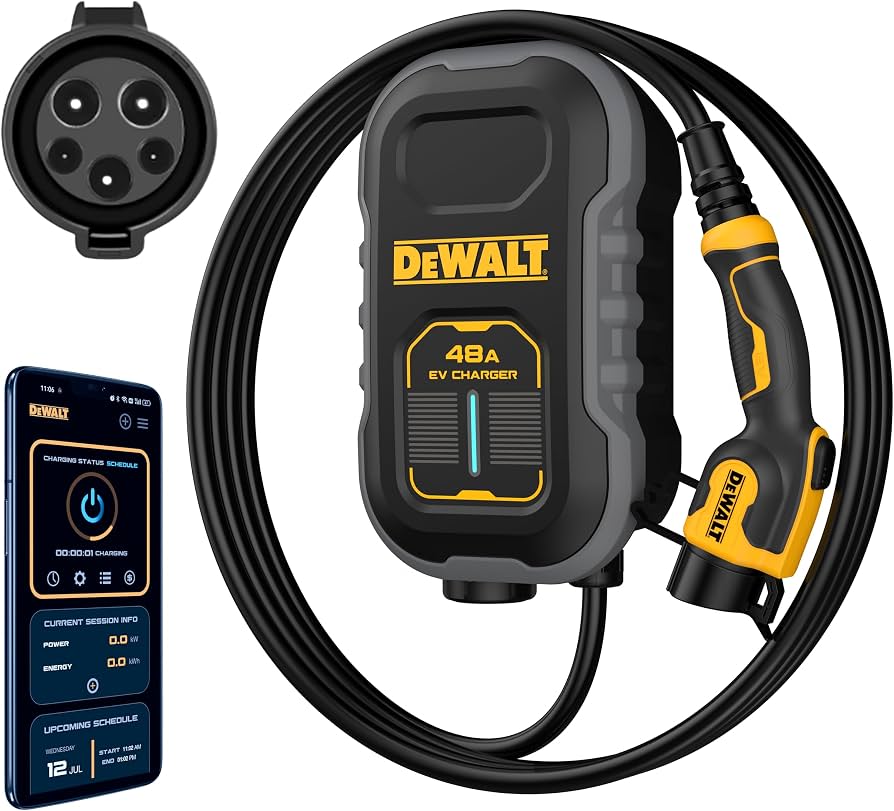
Consider the cost of mobility. A family car often requires three rows of seating and rugged durability, pushing prices well over $40,000. A childfree couple can opt for a reliable, fuel-efficient sedan or a compact EV, saving thousands annually on depreciation, insurance, and fuel. That savings compounds. Instead of funding a college fund, you're funding a retirement portfolio or a down payment on a vacation home.
Even small daily expenses tell the same story. Dining out becomes a spontaneous luxury rather than a logistical nightmare requiring high chairs and kids' menus. Travel shifts from resort stays with babysitters to boutique hotels or international flights. The budget flexibility allows for higher-quality purchases in categories that matter to you, whether that's premium audio gear, ergonomic home office setups, or frequent getaways.
This financial agility is the bedrock of the childfree advantage. It allows you to age into your later years with a robust safety net, reducing the anxiety that often accompanies retirement planning for families with dependent children. You aren't just spending less; you're choosing exactly where your money goes.


As an Amazon Associate, we may earn from qualifying purchases.
Shortlist real options
Use this section to make the Why is the Peak Year for the Childfree Lifestyle decision easier to compare in real life, not just on paper. Start with the reader's actual constraint, then separate must-have requirements from details that are merely nice to have. A practical choice should survive normal use, maintenance, timing, and budget. If a recommendation only works in an ideal situation, call that out plainly and give the reader a fallback path.
| Factor | What to check | Why it matters |
|---|---|---|
| Fit | Match the option to the primary use case. | A good deal still fails if it does not fit the job. |
| Condition | Verify age, wear, and service history. | Hidden condition issues erase upfront savings. |
| Cost | Compare purchase price with likely upkeep. | The cheapest option is not always the lowest-cost option. |
Inspect the expensive parts
Use this section to make the Why is the Peak Year for the Childfree Lifestyle decision easier to compare in real life, not just on paper. Start with the reader's actual constraint, then separate must-have requirements from details that are merely nice to have. A practical choice should survive normal use, maintenance, timing, and budget. If a recommendation only works in an ideal situation, call that out plainly and give the reader a fallback path.
-
Verify the basicsConfirm the core specs, condition, and fit before comparing extras.
-
Price the downsideLook for the repair, maintenance, or replacement cost that would change the decision.
-
Compare alternativesCheck at least two comparable options before treating one listing as the benchmark.
Ownership costs: when a cheap buy stops being cheap
The initial price tag is only the entry fee. For childfree households investing in high-quality home goods, the real financial picture emerges through maintenance, repairs, and the eventual replacement cycle. A budget-friendly sofa might save money upfront, but if the fabric pills after two years or the frame creaks, you are paying twice as much over a decade. This is the "cheap buy trap": low initial cost paired with high long-term friction.
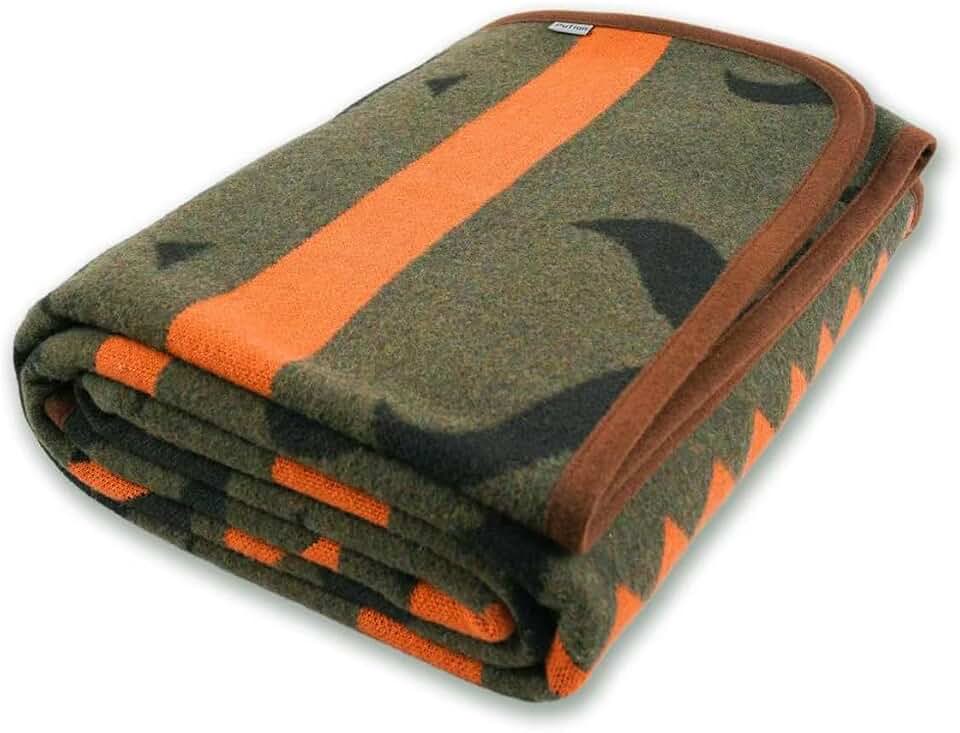
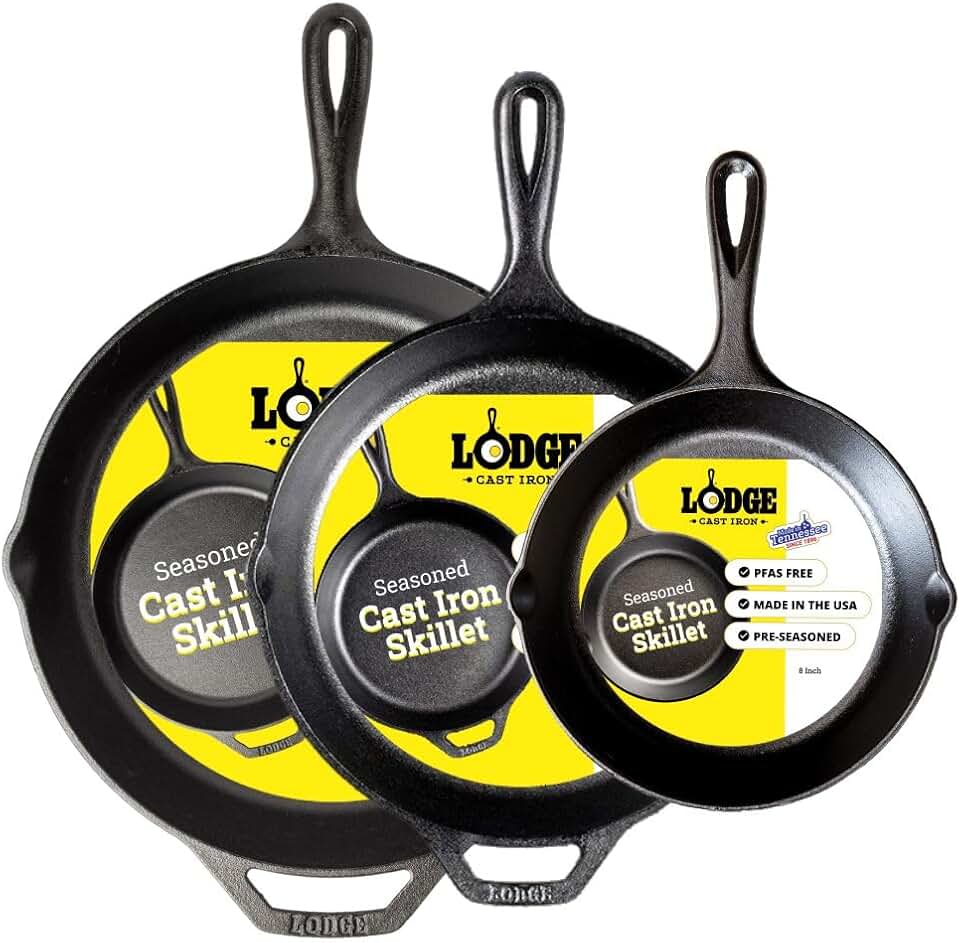
To avoid this, treat purchases as long-term assets rather than temporary fixes. Look for materials that age well, such as solid hardwood, full-grain leather, or high-thread-count linens. These items often carry a higher sticker price, but they resist wear and tear, reducing the need for frequent replacements. When evaluating a product, ask how many years of heavy use it can handle before it needs professional servicing or replacement.
Maintenance is also a hidden cost. Some appliances or furniture pieces require specific cleaning products, professional servicing, or significant time investment to keep in good condition. If you value your time and freedom, factor in the hourly cost of upkeep. A dishwasher that saves you 30 minutes a day is worth more than its price difference compared to a manual model, unless you enjoy the chore. The goal is to minimize ongoing expenses and time drains, keeping your resources available for travel, hobbies, and savings.

As an Amazon Associate, we may earn from qualifying purchases.
By focusing on durability and low-maintenance features, you protect your budget from surprise costs. This approach aligns with the childfree lifestyle’s core benefit: control over your resources. You aren’t just buying things; you are buying time, stability, and peace of mind. Choose items that support your life rather than demanding it.
Childfree lifestyle benefits: answering your practical: what to check next
Deciding to remain childfree often invites a flood of practical and emotional questions. This section addresses the most common queries to help you plan around the tradeoffs between societal expectations and personal freedom.
No comments yet. Be the first to share your thoughts!