
Beyond Diapers and Tuition: Quantifying the Childfree Financial Advantage
Choosing a childfree life isn't just about emotional freedom – it's a significant financial decision, and one that often gets overlooked in mainstream financial planning. It's easy to get caught up in the joy of not having kids, but let's be real: that joy comes with a hefty financial upside. We’re talking about potentially hundreds of thousands of dollars saved over a lifetime.
According to the USDA, the estimated cost of raising a child to age 18 in 2023 was around $308,000 – and that doesn’t even include college! Projecting that forward to 2026, factoring in inflation at around 3% annually, we're looking at closer to $330,000, and that’s a conservative estimate. A dual-income couple without children, meanwhile, might spend that same amount on things like travel, hobbies, or investments.
But it's not just about the direct costs. There's also the opportunity cost. What could you do with an extra $330,000? You could pay off a mortgage, retire early, or start a business. I’m not suggesting having children is financially irresponsible, but the financial impact is real and substantial.
I don't view this as a judgment on parenting choices. This is about empowering those who have chosen a childfree life to make the most of their financial freedom. It’s about recognizing that a different path offers different opportunities, and planning accordingly.

The Power of Early and Aggressive Investing: Childfree Edition
One of the biggest advantages of a childfree lifestyle is the ability to start investing earlier and more aggressively. Without the immediate financial demands of raising a family, you have more disposable income to put to work. This is where the magic of compounding truly shines.
Diversification matters when picking investments. Stocks grow fast but carry risk. Bonds are stable with lower returns. Real estate is a solid long-term play if you want to manage property. Index funds from Vanguard or Fidelity give you a broad mix for a low fee.
Maximize your contributions to tax-advantaged accounts like 401(k)s and Roth IRAs. In 2024, the 401(k) contribution limit is $23,000 (or $30,500 for those 50 and older), while the Roth IRA limit is $7,000 (or $8,000 for those 50 and older). These limits are likely to increase slightly by 2026, but the principle remains the same: contribute as much as you can, as early as you can.
Market volatility is inevitable. Don’t panic sell during downturns! Instead, view them as opportunities to buy low. Consider dollar-cost averaging – investing a fixed amount of money at regular intervals – to smooth out your returns. Remember, investing is a long-term game. A study by Fidelity found that the best day to invest was yesterday, and the second best day is today.
- 401(k): Maximize contributions for tax-deferred growth.
- Roth IRA: Contribute after-tax dollars for tax-free withdrawals in retirement.
- Index Funds: Low-cost, diversified investment options.
- Real Estate: Consider as a long-term investment, but be prepared for management responsibilities.
Retirement Planning Without the 'Kid Factor': Redefining Your Timeline
Traditional retirement planning often revolves around funding children’s education and providing for a multi-generational family. Without those obligations, you have the potential to redefine your timeline and achieve financial independence much sooner. This is where the FIRE (Financial Independence, Retire Early) movement comes into play.
There are different approaches to FIRE. Lean FIRE involves minimizing expenses and living frugally to retire with a smaller nest egg. Fat FIRE allows for a more luxurious lifestyle in retirement, requiring a larger portfolio. Barista FIRE involves retiring from a demanding career but continuing to work part-time to cover expenses and maintain a certain lifestyle.
According to a 2023 survey by New Retirement, the average retirement nest egg needed for Fat FIRE is around $1.7 million. Lean FIRE can be achieved with as little as $500,000, but requires a more minimalist lifestyle. The right approach depends on your individual goals and preferences.
Don't forget to factor in healthcare costs. Healthcare is a significant expense in retirement, and it’s getting more expensive. Consider a Health Savings Account (HSA) if you’re eligible. Early retirement also comes with potential challenges like boredom or a loss of purpose. Having hobbies, volunteer work, or a side hustle can help fill that void.
Estate Planning for the Childfree: Beyond Inheritance
Estate planning isn’t just for parents. In fact, it’s arguably even more important for those without children, as there’s no automatic assumption about where your assets will go. Without a will or trust, your assets will be distributed according to state law, which may not align with your wishes.
A will is a basic document that outlines how you want your assets distributed. A trust is a more complex legal arrangement that can offer greater control and flexibility. You’ll also need to designate a power of attorney to make financial decisions on your behalf if you become incapacitated, and a healthcare directive to outline your medical wishes.
Carefully consider who you want to designate as beneficiaries for your accounts and insurance policies. This could be a sibling, a friend, a charity, or a pet trust. If you have estranged family members, it’s especially important to clearly document your wishes to avoid potential disputes.
Don't forget about pet planning! If you consider your furry friends family, make arrangements for their care in your will or trust. You can designate a caregiver and provide funds for their ongoing expenses. Resources like the ASPCA offer guidance on pet estate planning.
Lifestyle Inflation and the Childfree Advantage: Avoiding the Spending Creep
It’s a common trap: as your income increases, so does your spending. This is lifestyle inflation, and it can quickly erode your financial gains. Just because you can afford a bigger house, a fancier car, or more expensive vacations doesn’t mean you should.
Mindful spending is key. Before making a purchase, ask yourself if it truly adds value to your life. Prioritize experiences over material possessions. Travel, concerts, and learning new skills often provide more lasting satisfaction than buying the latest gadgets.
Travel hacking can be a great way to see the world without breaking the bank. Utilize credit card rewards, look for deals on flights and accommodations, and consider alternative travel options like house-sitting or volunteering. Find affordable hobbies that bring you joy. Gardening, hiking, and reading are all relatively inexpensive ways to spend your time.
I’ve personally found that regularly reviewing my budget and setting financial goals helps me stay on track. It’s easy to get caught up in the moment, but taking a step back and evaluating your spending habits can make a big difference. Remember, financial freedom is about having choices, and lifestyle inflation can limit those choices.
Affordable & Fulfilling Hobbies
- Hiking & Nature Walks - Explore local trails! It's fantastic exercise, stress relief, and often completely free. Check out AllTrails to find trails near you. 🏞️
- Reading - A classic for a reason! Libraries offer a wealth of books for free, or explore affordable ebooks on Amazon Kindle. 📚
- Volunteering - Give back to your community and feel good doing it. Sites like Volunteer.gov connect you with opportunities. ❤️
- Gardening - Grow your own herbs, vegetables, or flowers! Starting small with seeds can be very inexpensive. Check out Burpee for seeds and gardening supplies. 🪴
- Learning a New Language - Boost your brainpower and open up travel possibilities. Duolingo offers free language courses. 🗣️
- Creative Writing - Unleash your inner author! All you need is a pen and paper (or a free word processor like Google Docs). ✍️
- Photography - Capture the beauty around you. You can start with your smartphone camera and explore free editing apps like Snapseed. 📸
Leveraging Your Childfree Status for Side Hustles and Entrepreneurship
With more time and financial flexibility, childfree individuals are uniquely positioned to pursue side hustles or start their own businesses. This can provide an additional income stream, accelerate your financial goals, and offer a sense of purpose and fulfillment.
There are countless income-generating opportunities available. Freelancing platforms like Upwork and Fiverr connect you with clients seeking various skills, from writing and graphic design to web development and virtual assistance. Consulting allows you to use your expertise to advise businesses or individuals directly.s.
Online courses and e-commerce are also popular options. Platforms like Teachable and Shopify make it relatively easy to create and sell digital products or physical goods. Diversifying your income streams is crucial for building financial resilience. Don’t put all your eggs in one basket.
Remember to factor in the tax implications of self-employment. You’ll likely need to pay self-employment taxes, and you may be eligible for certain deductions. Consult with a tax professional to ensure you’re complying with all applicable regulations.
- Upwork/Fiverr: Freelancing platforms for various skills.
- Teachable/Shopify: Platforms for creating and selling online courses/products.
- Consulting: Leverage your expertise to advise others.
- E-commerce: Sell physical or digital goods online.
Level Up Your Side Hustle: Essential Gear for Childfree Entrepreneurs
Adjustable lumbar support · Breathable Pellicle mesh · Ergonomic design for long-term comfort
Invest in your posture and productivity with this iconic, highly adjustable chair designed for all-day comfort during long work sessions.
Industry-leading noise cancellation · Exceptional sound quality · Comfortable for extended wear
Create your focus zone anywhere by eliminating distractions with these top-tier noise-canceling headphones, perfect for deep work.
1080p HD video quality · Built-in privacy shutter · Automatic light correction
Elevate your online presence and ensure clear, professional communication for client calls and virtual meetings.
Adjustable brightness and color temperature · Stable tripod stand · Includes phone holder for easy setup
Ensure you always look your best on camera with consistent, flattering lighting for video calls and content creation.
Daily pages with ample writing space · High-quality Tomoe River paper · Durable and compact design
Organize your business goals, track progress, and manage your time effectively with this meticulously designed, popular planner.
As an Amazon Associate I earn from qualifying purchases. Prices may vary.
Navigating Financial Conversations with Family and Friends
Let's be honest: not everyone understands the childfree lifestyle, and some may question your financial choices. You might encounter comments like, “What will you do with all your money?” or “Don’t you want to leave an inheritance?” It’s important to be prepared for these conversations.
Have a clear and concise response ready. You can say something like, “I’ve made a conscious decision to prioritize different things with my money, and I’m happy with my choices.” or “I’m focused on building a life that aligns with my values, and that includes financial freedom.”
Set boundaries and protect your financial privacy. You’re not obligated to share details about your income, investments, or estate plans. It’s okay to politely decline to discuss these topics. Remember, your financial life is your own business.
Maintaining healthy relationships with family and friends who have different values requires respect and understanding. Focus on common ground and avoid getting into arguments about lifestyle choices. It’s possible to disagree without being disagreeable.
Content is being updated. Check back soon.
Resources and Tools for Childfree Financial Planning in 2026
Ready to take control of your financial future? Here are some resources to help you get started. Childfree Wealth (childfreewealth.com) offers specialized financial planning services for those choosing a childfree life. The White Coat Investor (whitecoatinvestor.com) provides valuable insights on financial independence and early retirement.
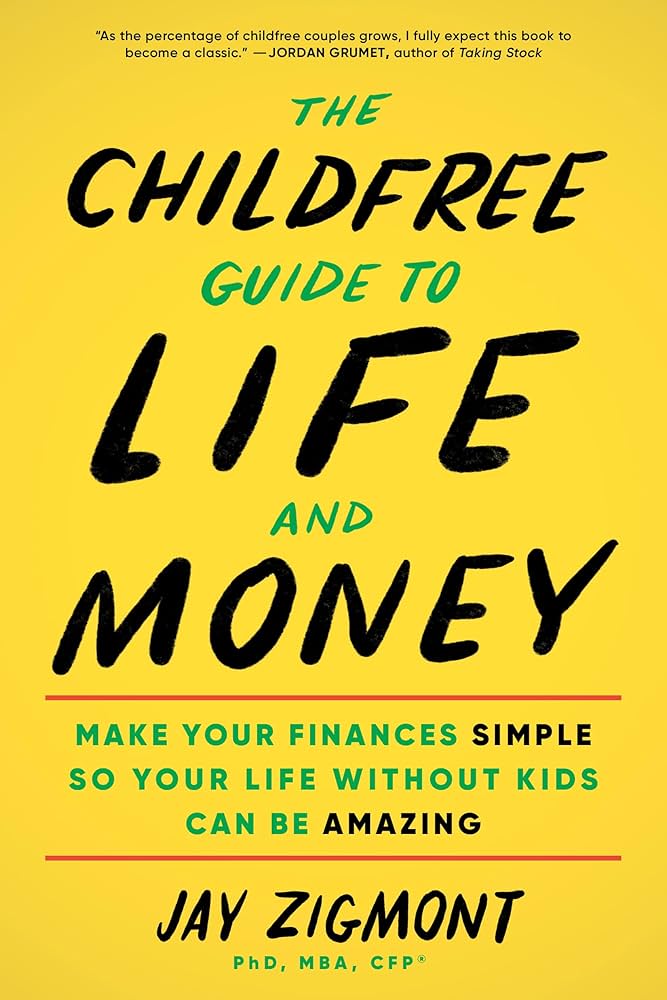
For budgeting and tracking expenses, consider apps like Mint, YNAB (You Need a Budget), or Personal Capital. Investment platforms like Vanguard, Fidelity, and Schwab offer a wide range of investment options. Books like The Psychology of Money by Morgan Housel and Your Money or Your Life by Vicki Robin and Joe Dominguez can provide valuable perspectives on financial well-being.
Don't hesitate to seek professional financial advice. A qualified financial planner can help you create a personalized plan tailored to your specific goals and circumstances. Remember, financial planning is an ongoing process, so stay informed and adjust your strategy as needed.
- Childfree Wealth: childfreewealth.com
- White Coat Investor: whitecoatinvestor.com
- Mint/YNAB/Personal Capital: Budgeting and expense tracking apps.
- Vanguard/Fidelity/Schwab: Investment platforms.
Budgeting App Comparison for the Childfree & Financially Focused (2026)
| App Name | Key Features | Ease of Use | User Sentiment |
|---|---|---|---|
| Mint | Aggregates accounts, bill tracking, credit score monitoring, basic budgeting tools 📊 | Generally user-friendly, especially for beginners. Can feel cluttered with ads. | Mixed. Many appreciate the free access, but some find the ads intrusive and data privacy a concern. |
| YNAB (You Need A Budget) | Zero-based budgeting, goal setting, debt management, focuses on mindful spending 💰 | Steeper learning curve initially, but highly effective once mastered. Requires active participation. | Very positive. Users report significant improvements in financial awareness and control. |
| Personal Capital | Investment tracking, net worth calculation, retirement planning, budgeting features 📈 | Strong focus on investment analysis. Budgeting features are less robust than dedicated budgeting apps. | Generally positive, particularly among those with significant investments. Some find the sales pitches for wealth management services annoying. |
| PocketGuard | Simple budgeting, bill tracking, 'In My Pocket' spending calculation, goal setting 🎯 | Very easy to use, visually appealing, and focuses on available spending money. | Positive. Users like the simplicity and clear overview of funds available. |
| Monarch Money | Collaborative budgeting, investment tracking, goal setting, customizable categories 🤝 | Designed for couples or families, but adaptable for individuals. Offers a clean interface. | Generally positive, praised for its collaborative features and customer support. |
| Simplifi by Quicken | Automated spending tracking, customizable spending plans, watchlists, goal setting ⚙️ | User-friendly interface with strong automation features. Offers a good balance of control and convenience. | Positive. Users appreciate the automation and clear visualizations. |
Illustrative comparison based on the article research brief. Verify current pricing, limits, and product details in the official docs before relying on it.


No comments yet. Be the first to share your thoughts!